Welcome! Where would you like to log in?


Sign up and get
PRO free for 14 days
Once your PRO trial is over you can continue using Landlord Studio GO completely free.
By continuing you agree to our Terms & Conditions.

Visiting from the
United Kingdom?
Please visit our United Kingdom site for a better experience
Continue
20 Ways to Prepare Your Rental Property for Winter
Cold weather causes real damage fast. Here are 20 things to check, fix, and ask tenants to do before winter hits, from heating to condensation.
Read summarized version with:


Winter is hard on a rental property. Pipes freeze, gutters back up, small drafts turn into real heat loss, and anything you don't catch before the cold hits gets more expensive to fix the longer it sits.
Here are 20 things to check and fix yourself, including six to give to your tenant during winter.
1. Service the furnace or heating system
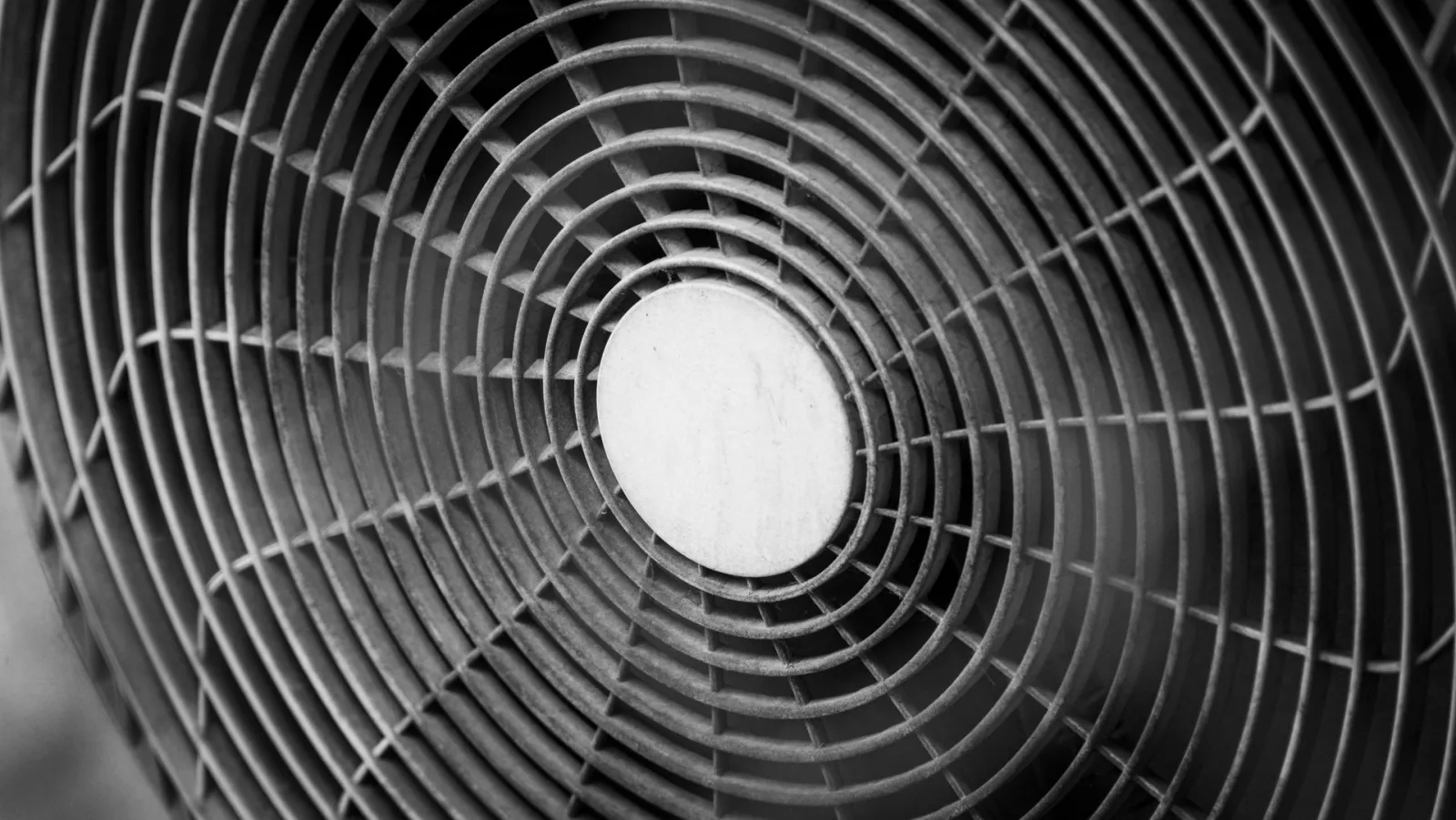
A working heater isn't optional. It's a habitability requirement in every state, and it's the single most common winter emergency call a landlord gets. Book the service call in fall, before the first cold snap, when contractors still have availability and aren't charging emergency rates.
2. Replace HVAC air filters
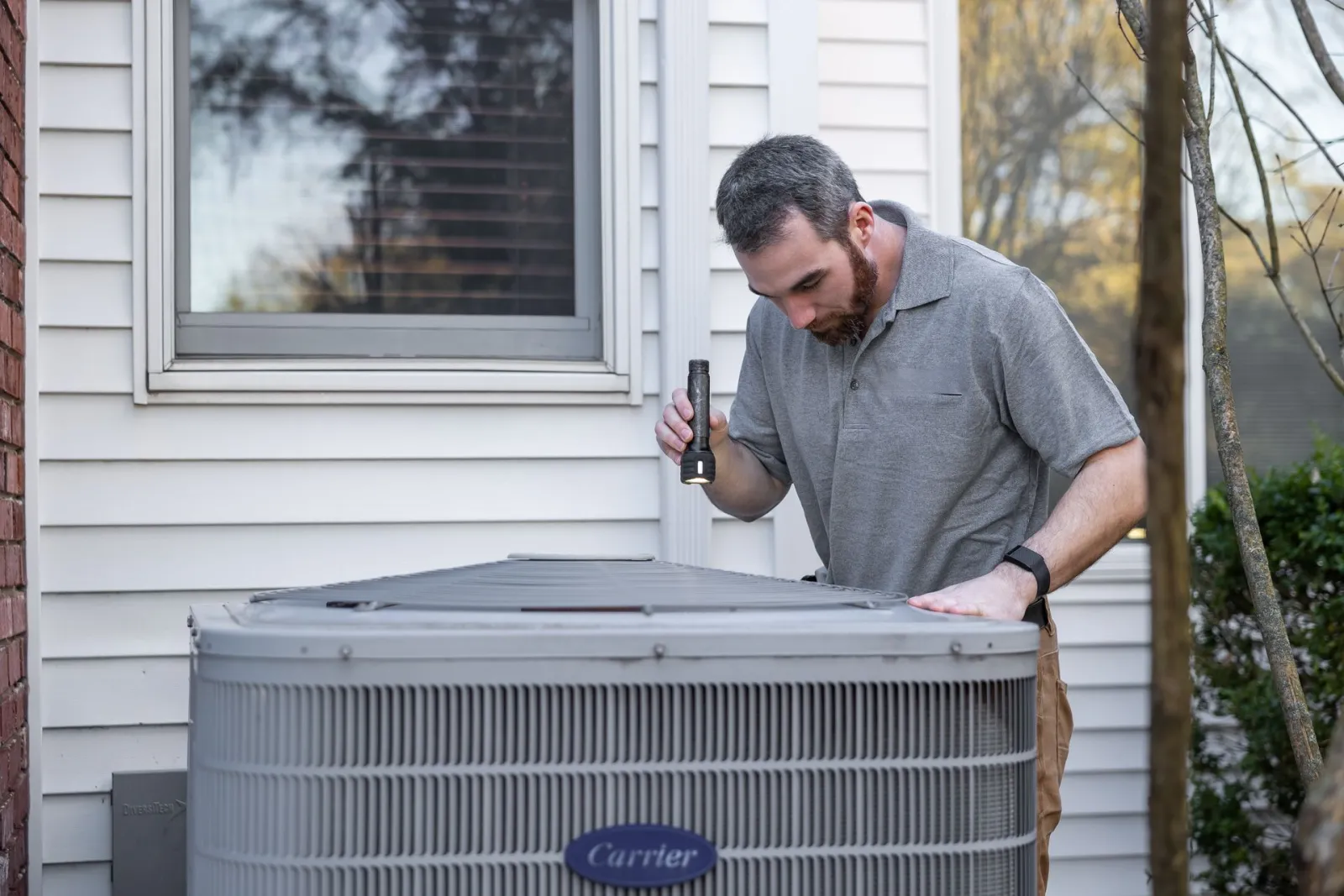
A clogged filter makes the system pull harder to move the same amount of air, which shortens its life and raises the electric bill. It's a five-minute job and one of the cheapest ways to avoid a mid-winter breakdown.
3. Test thermostats in every unit
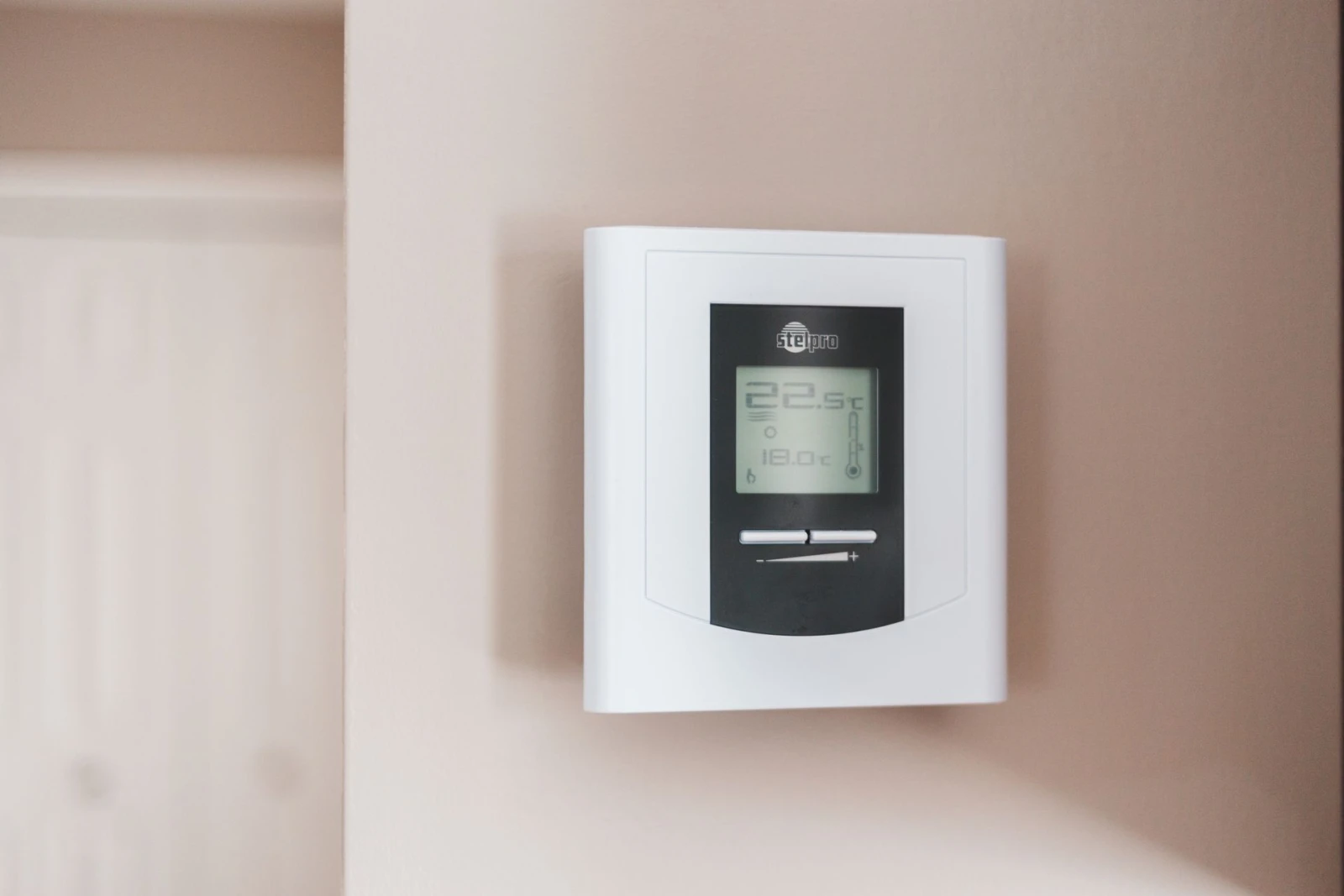
Put a separate thermometer a few inches from the thermostat, wait 15 minutes, and compare the two readings. Anything more than 2-3°F off means the thermostat is lying to whoever's inside. A tenant either runs the heat harder than they need to, or trusts a reading that says the room is warmer than it actually is, which is exactly how a pipe freezes in a unit the thermostat insists is fine.
4. Insulate exposed pipes
Any pipe running through a crawl space, basement, garage, or exterior wall is at risk once temperatures drop below freezing. Foam pipe sleeves cost a few dollars a foot; a burst pipe is one of the most expensive single repairs a landlord will make, plus the water damage that comes with it.
5. Disconnect and drain outdoor hoses, and shut off exterior water valves
Water left sitting in an outdoor spigot or hose bib freezes, expands, and cracks the fitting: a small leak that often isn't noticed until spring. Draining and shutting off the line takes minutes and prevents it entirely.
6. Seal drafts around doors and windows
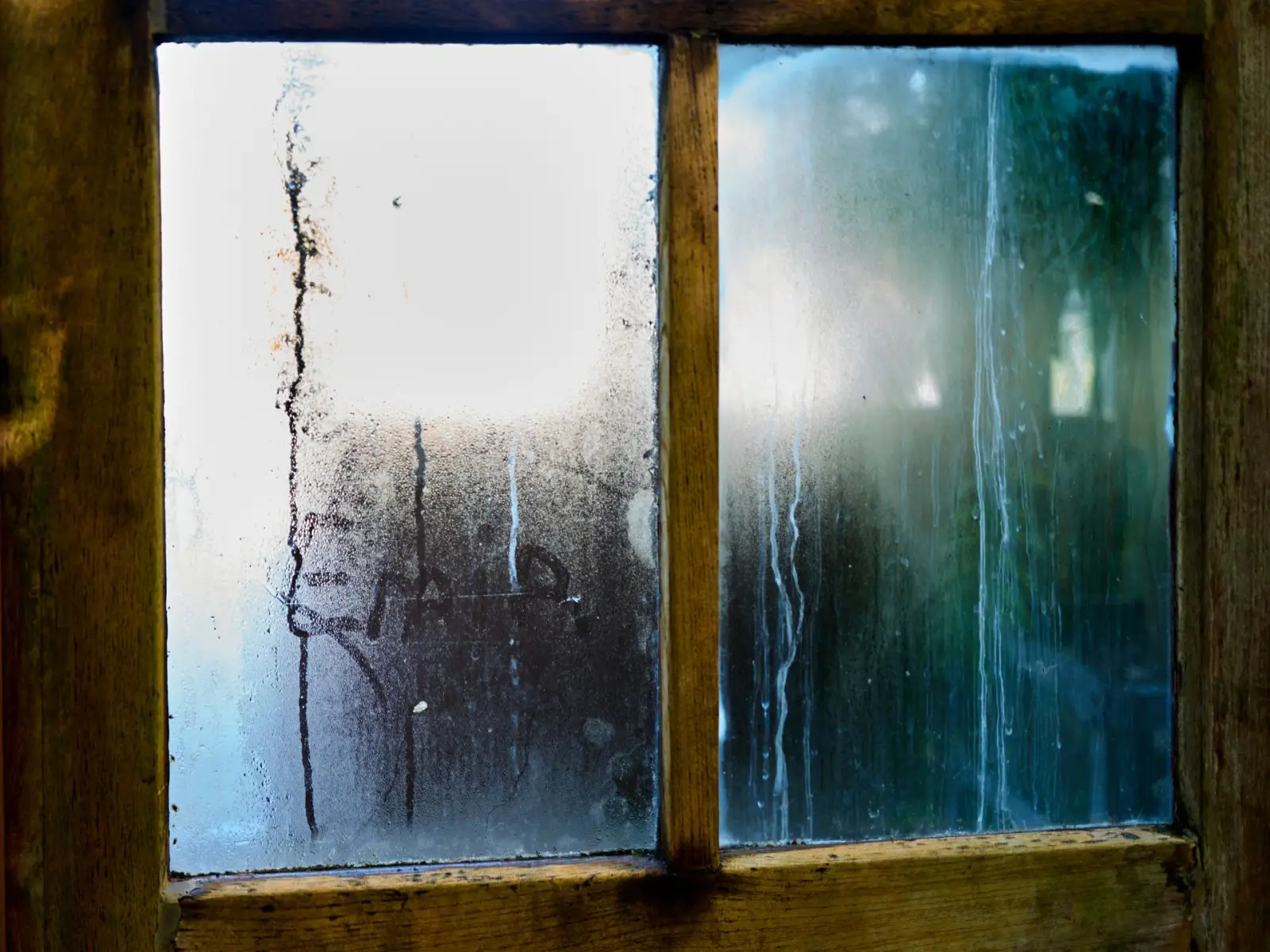
Run a hand around the frame on a cold day and caulk anywhere you feel air moving. Drafts don't just waste heating money. In an older property they're often the first sign of a gap that lets moisture in too.
7. Clean the gutters and confirm downspouts direct water away from the foundation
Leaves and debris block drainage, and blocked gutters send water somewhere it shouldn't go: behind fascia boards, under roofing, or pooling against the foundation where it can freeze and expand.
8. Inspect the roof for loose or missing shingles
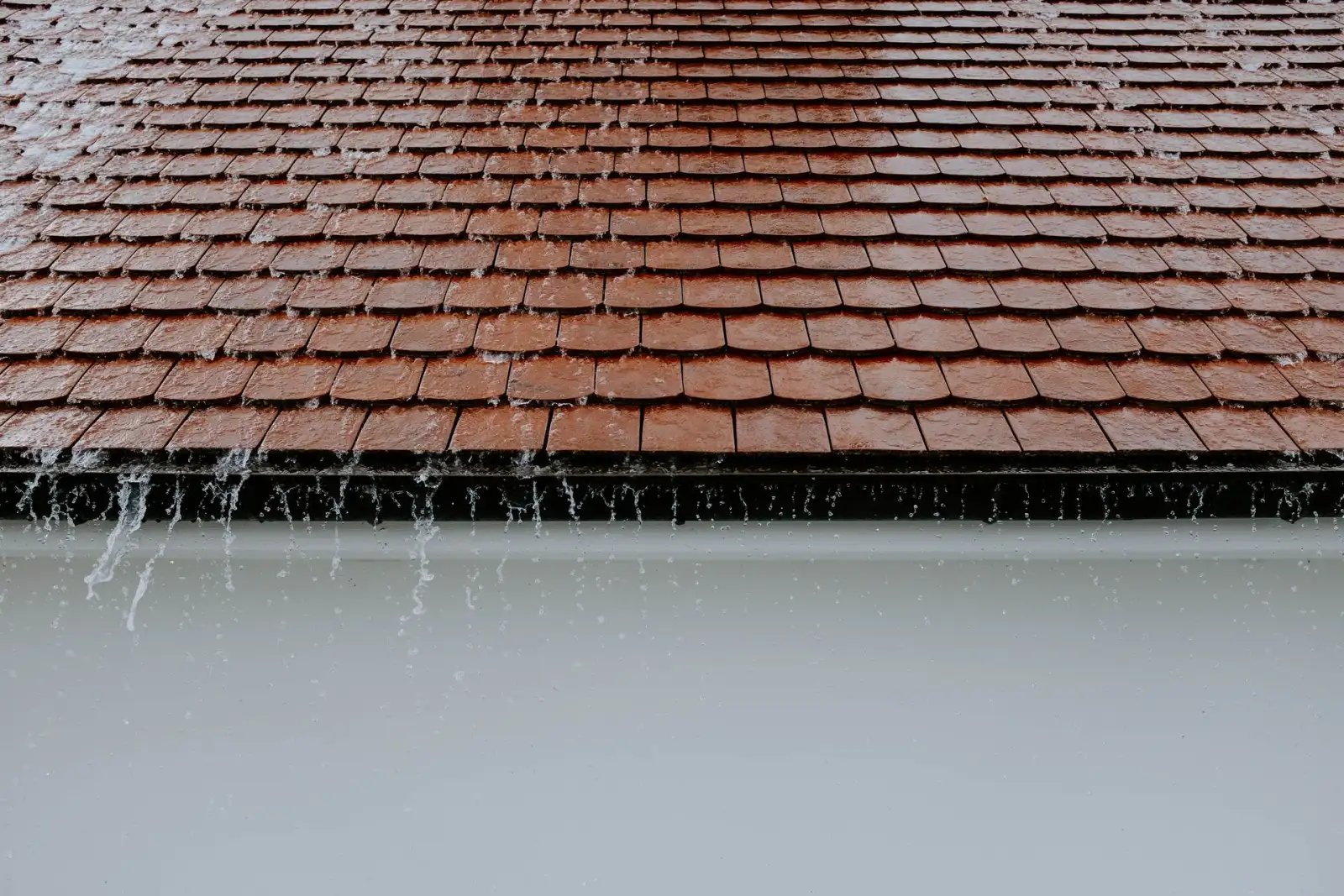
A gap that lets in a light fall rain lets in far more once snow sits on it and slowly melts. Catching a missing shingle now is a small repair; catching it after a ceiling stain shows up inside is not.
9. Trim tree branches near the roof or power lines
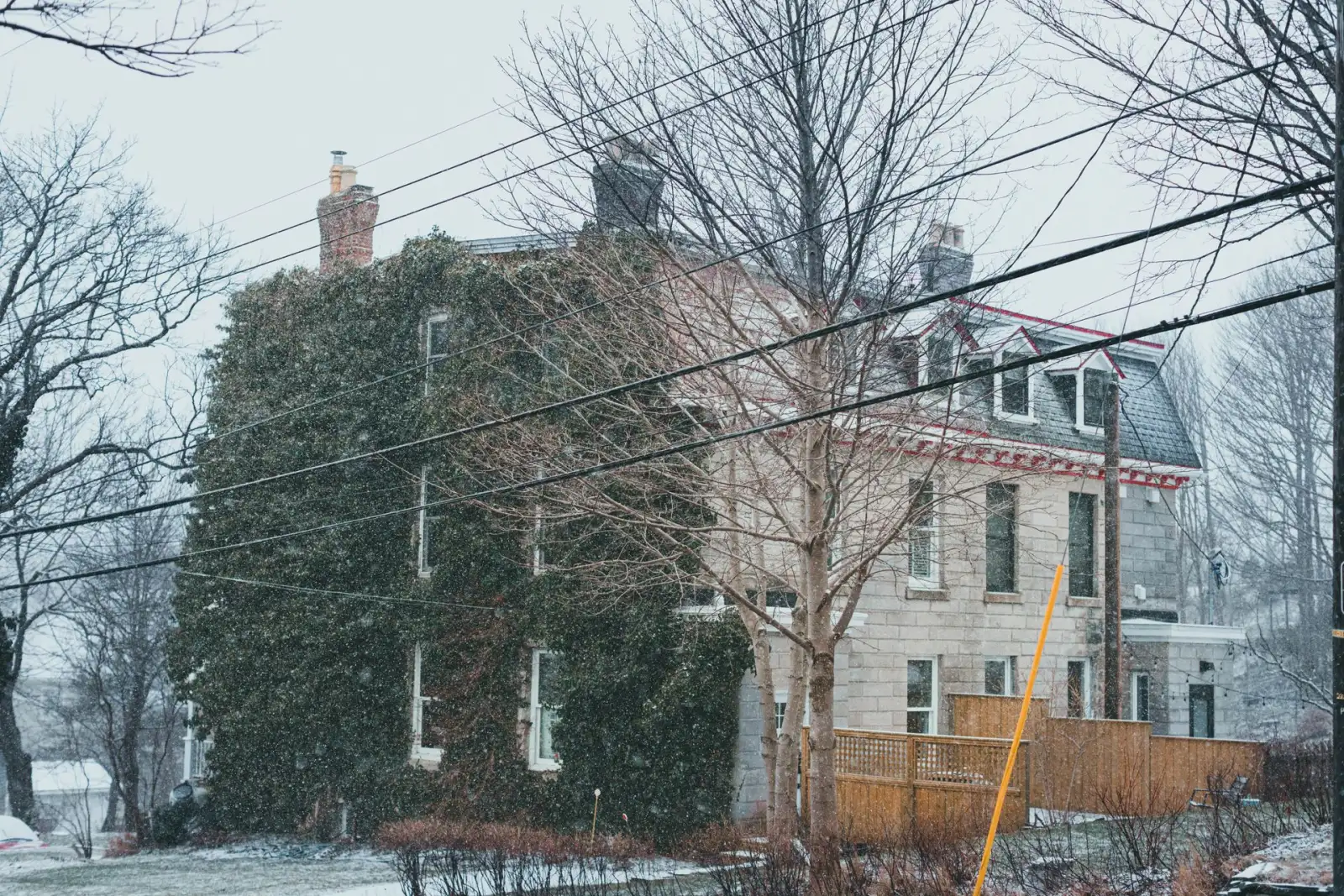
Ice and wind bring down limbs that were perfectly stable all summer. A branch overhanging the roof is a foreseeable risk, which matters if it causes damage after you had the chance to remove it.
10. Check the foundation and exterior walls for cracks or gaps
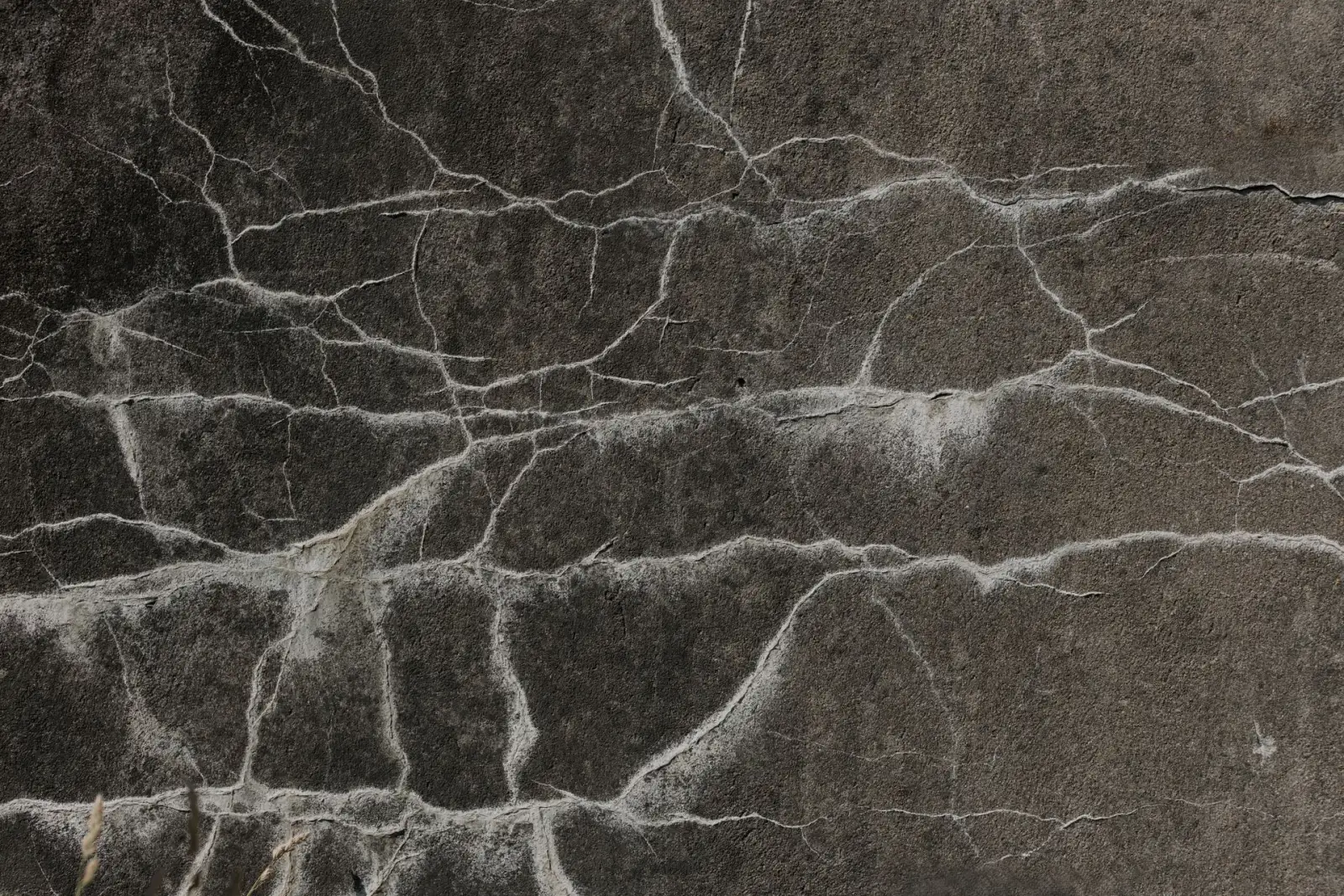
Freeze-thaw cycles widen existing cracks fast, and a gap that let in a draft in November can be letting in water by January. It's also the easiest entry point for rodents looking for a warm place to spend the winter.
11. Secure or store outdoor furniture and equipment
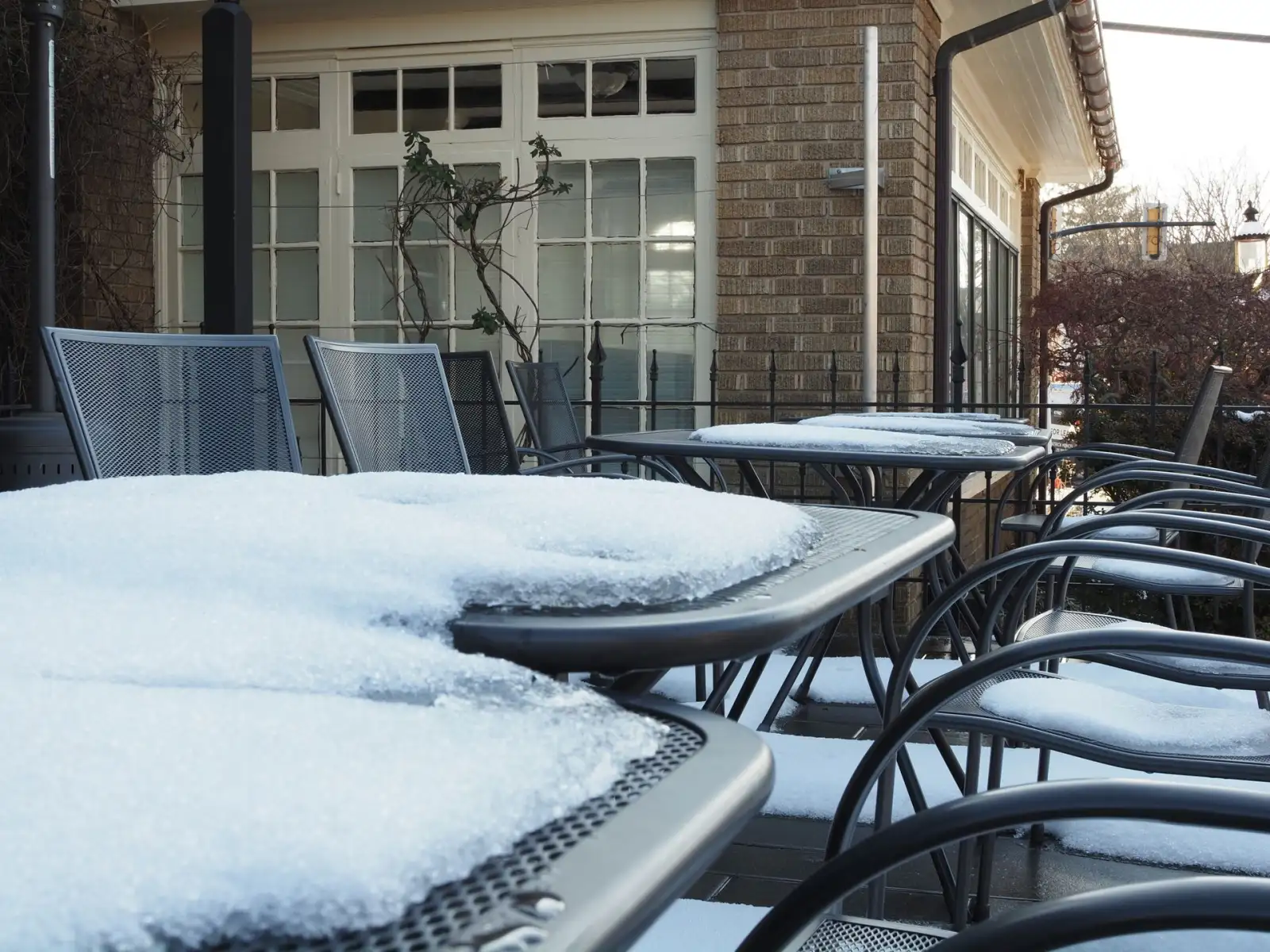
Anything left loose becomes a projectile in high wind, and anything left out in freezing rain or snow degrades faster than it needs to. A few minutes moving it under cover now saves a replacement cost later.
12. Test smoke and carbon monoxide detectors, and replace the batteries
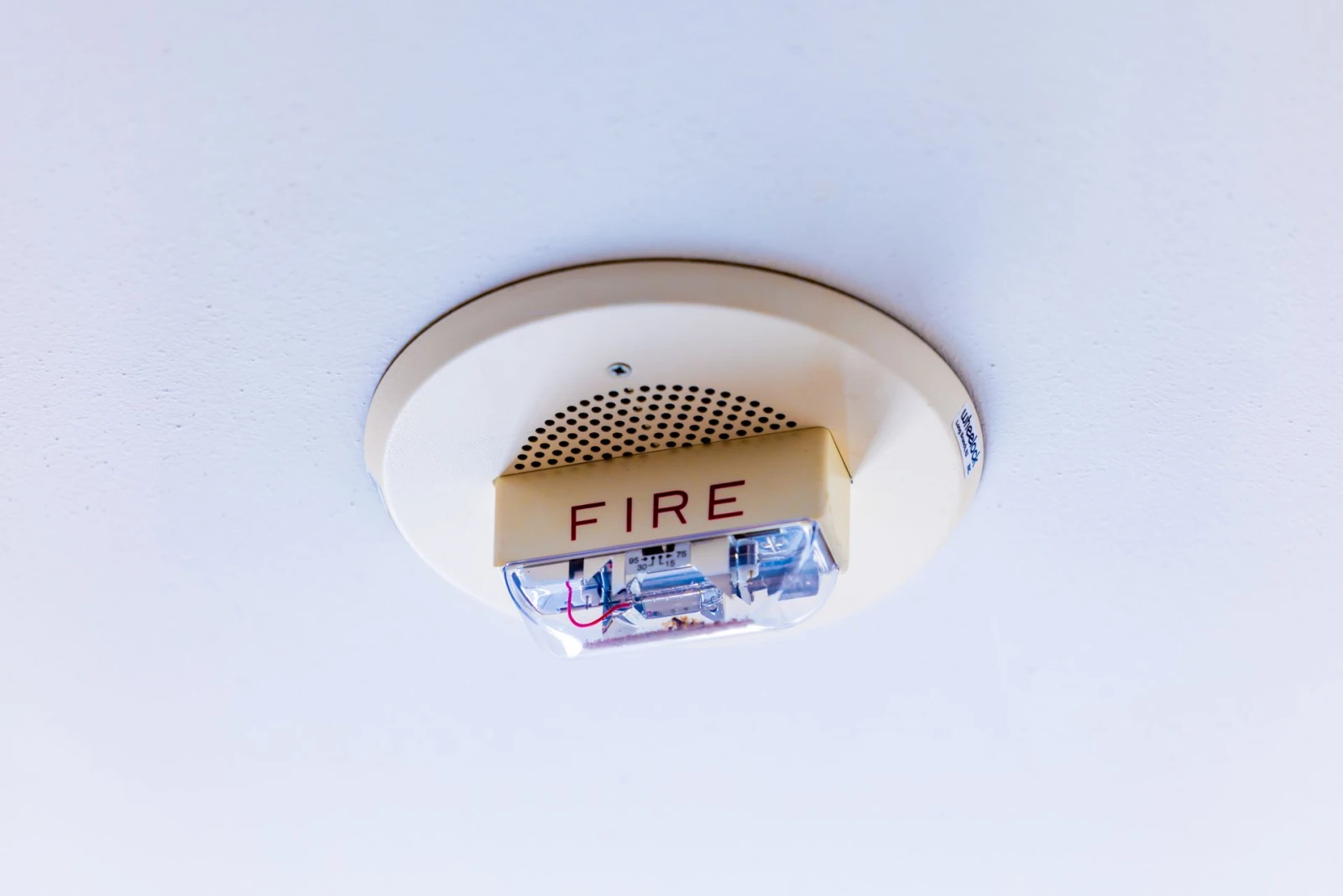
Space heaters, sealed-up windows, and furnaces running longer hours all raise the stakes in winter specifically. Test every unit and replace batteries on a schedule rather than waiting for the low-battery chirp to do it for you.
13. Inspect and clean the chimney or fireplace, if the property has one
Creosote buildup is a fire risk, and a blocked flue can push carbon monoxide back into the room instead of outside. This is a job for a certified chimney sweep, not a visual check from the hearth.
14. Stock de-icing materials and arrange snow removal
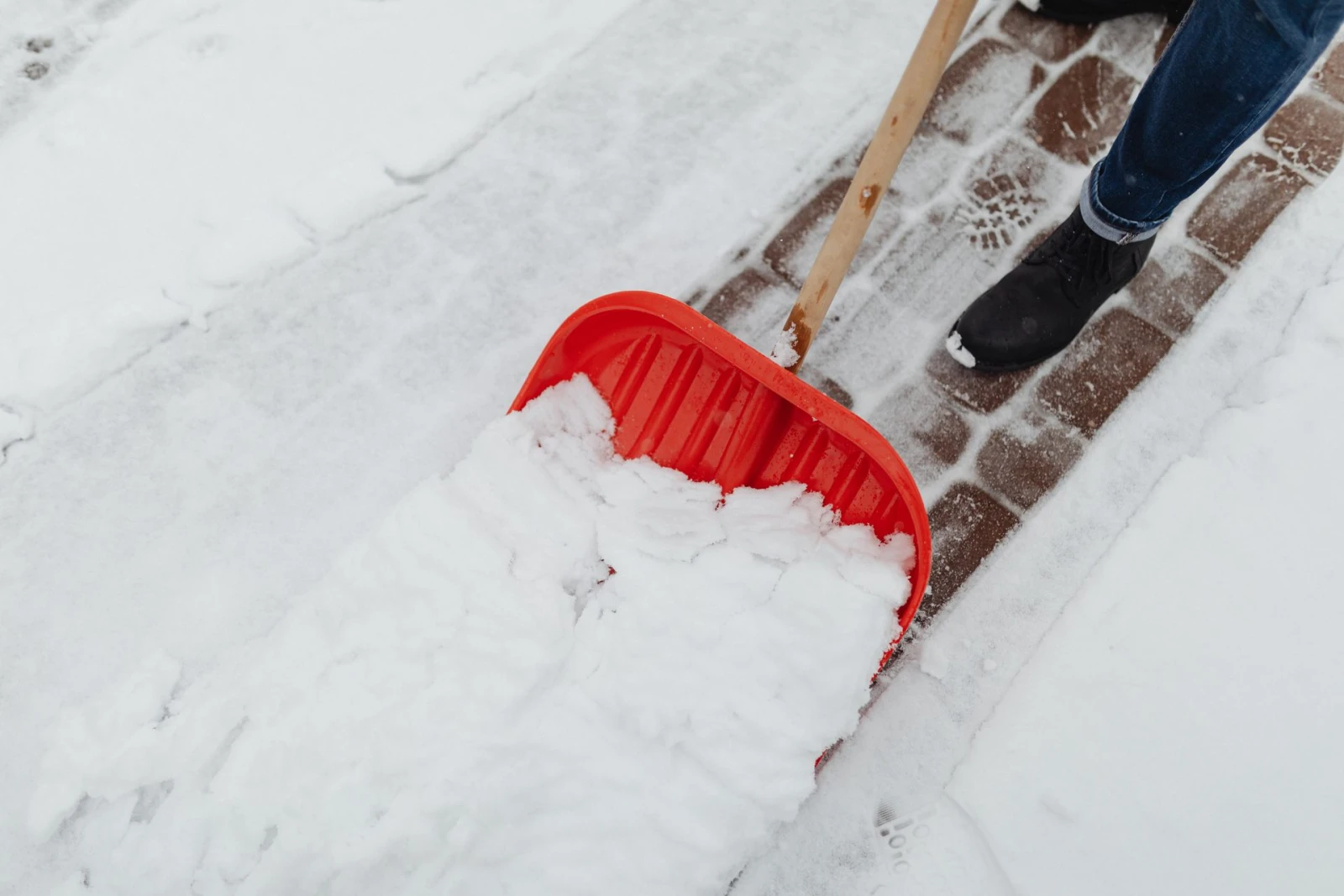
Decide now who's responsible (you, a contracted service, or the tenant) and get salt or ice melt on site before the first storm. Sourcing it during a weather emergency, when every hardware store is cleared out, is the wrong time to start.
Ask your tenants to do these
15. Keep the thermostat above 55°F (13°C), even when the unit's empty
This is the single line that prevents the most frozen pipes. A tenant who turns the heat off entirely while traveling is the most common cause of a burst pipe that has nothing to do with your own maintenance.
16. Run the bathroom and kitchen exhaust fan during and after showers and cooking
Sealing up drafts (item 6) is good for the heating bill, but it also traps moisture indoors with nowhere to go. That trapped moisture is what turns into condensation on cold windows and walls, and condensation left alone for a winter is how mold gets started.
17. Wipe down window condensation instead of leaving it to sit
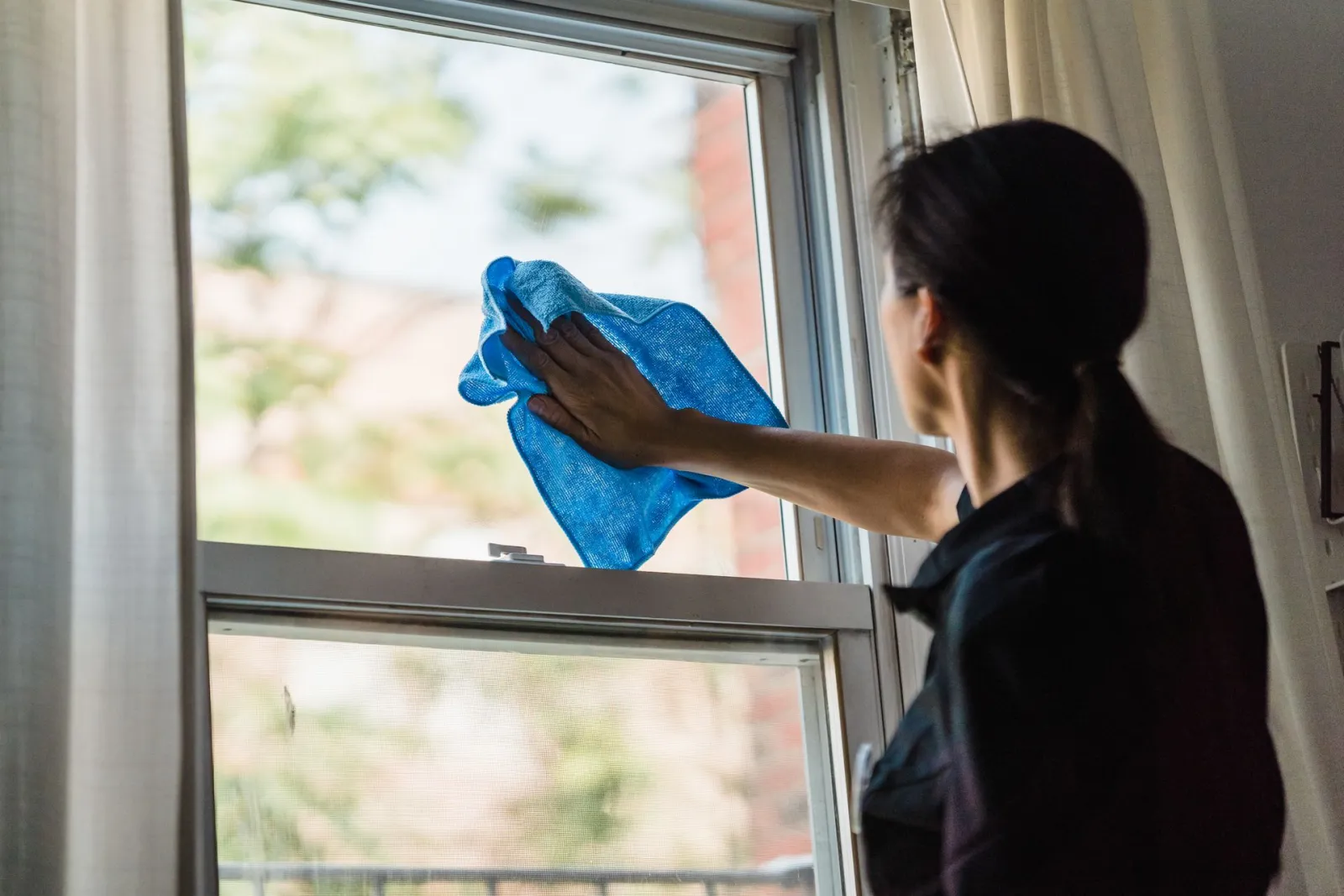
A few seconds with a cloth on a foggy window stops water from sitting on the sill and the wall beneath it for weeks. It's a small habit that heads off a much bigger one: mold remediation costs far more, and takes far longer, than a damp cloth ever will.
18. Keep furniture and curtains clear of vents, radiators, and baseboard heaters
A couch pushed in front of a vent blocks airflow, so the room stays cold, the thermostat calls for more heat than it should, and the wall behind the furniture is exactly where condensation collects.
19. Know where the main water shut-off is
If a pipe does burst, the minutes before someone finds the shut-off valve are the minutes that turn a repair into a full flood.
20. Report a drip, draft, or failing heater immediately, and know who handles snow removal
A tenant who calls about a drip right away is often the difference between a repair and a flood. Tell them now, before the first storm, whether snow and ice removal is on you, a contracted service, or them, not when three inches have already fallen.
How to Track Maintenance with Landlord Studio
Whatever season you find yourself in, using purpose-built property management software like Landlord Studio will allow you to easily manage your maintenance from your smartphone or desktop.
Our intuitive property maintenance management system allows you to record and prioritize tasks, track maintenance progress and easily communicate updates with tenants.

You Might Like


About Landlord Studio

Landlord Studio is an easy to use property management and accounting software designed for landlords.
Find and screen tenants, collect rent online, track income and expenses, run reports, and more - all for free.
Create your FREE account with Landlord Studio today.

From finding tenants to filing taxes. Reduce vacancies and maximize your portfolio ROI with software designed for you.
Get started for free