Welcome! Where would you like to log in?

Sign up and get
PRO free for 14 days
Once your PRO trial is over you can continue using Landlord Studio GO completely free.
By continuing you agree to our Terms & Conditions.

Visiting from the
United Kingdom?
Please visit our United Kingdom site for a better experience
Continue
What’s The Best Time of Year to Advertise Your Rental Property?
Peak rental season runs May through August, so spring is the time to start advertising. How to time your listing and keep vacancies short.

Read summarized version with:


Vacancies can be costly, so a key way to minimize losses is to advertise at the right time of year. This means knowing the best time to rent a house, preparing your property, and listing it on rental listing sites.
By timing your listing correctly, you'll reach more tenants actively searching, giving you the best chance of finding the ideal renter for your property.
The best time for you to start advertising is actually the same time as most other landlords favor, also called peak rental season. The reason for this is there is more demand for units during certain months of the year, meaning you're able to charge higher rates. Plus, if you have a desirable property, you'll likely find that tenants are willing to commit immediately after viewing.
When Is The Best Time To Rent A House?
The best time to rent a house is the summer. Peak rental season runs from May to August. In fact, applications increase by more than 50 percent over these months compared to the winter. Within that window, June and July tend to see the very highest volume of searches and applications, making them the most competitive months for both landlords and renters. Research published in Seasonality in the U.S. Housing Market: Post-Pandemic Shifts and Regional Dynamics confirms this pattern, finding that housing prices exhibit predictable fluctuations with peaks consistently occurring during the summer months (June-August) and troughs during the winter months (December-February).
There are several reasons people prefer moving in the summer. Cold winter conditions make moving uncomfortable, and icy conditions present additional challenges. If you're renting a single-family home, peak moving season ends abruptly right before the school year starts, as parents prefer to avoid disruptions in their kids' schooling.
You'll see similar trends if you're renting an apartment in a college town, as students tend to need to secure housing before the semester begins. The summer also allows you to rent to young professionals who have recently graduated and are now looking for new housing.
To take advantage of peak season, learn what makes a good rental property and make sure yours has all these features before advertising it.
What Is the Worst Time to Rent Out a Property?
The flip side of peak season is the winter slowdown. December and January consistently see the lowest rental demand of the year. Fewer people want to move during the holidays, and harsh weather in many regions makes the process even less appealing. As a result, landlords who list in winter often face longer vacancy periods and feel more pressure to accept lower rents to fill the unit quickly. According to Zillow's analysis of national rental data from 2024, the number of engaged renters searching for a home in November was 78% lower than the month when searches peaked, illustrating just how dramatically demand falls off heading into winter.
November and February sit in a shoulder period. Demand is picking back up in February as spring approaches, but it is still well below summer levels. If you have a vacancy opening in the late fall or winter, pricing competitively and offering incentives such as a reduced security deposit or the first month at a discount can help attract tenants despite slower demand.
Does Location Affect the Best Time to Advertise?
While the May-to-August pattern holds broadly across the United States, local factors can shift the ideal timing. In warmer Sun Belt cities such as Phoenix or Miami, the concept of a "slow winter" is less pronounced because mild weather keeps movers active year-round. College towns follow the academic calendar closely, meaning late spring (April to May) can rival midsummer for listing activity. In cities with harsh winters, the gap between peak and off-peak demand is far more dramatic, making spring advertising even more critical.
It is also worth noting that these seasonal swings may be gradually softening. According to Apartment List research on peak rental season trends, in recent years there has been a flattening of sharp seasonal swings, with peak rent growth occurring earlier in the year and leases becoming less concentrated in the summer. A related study on U.S. housing market seasonality found that since 2021 the seasonal peak has shifted earlier, with spring strengthening at the expense of the traditional summer peak. This does not eliminate the advantages of peak-season listing, but it does mean landlords in some markets may find slightly more year-round flexibility than in previous decades.
Understanding your specific market means tracking local vacancy rates and average days on market for similar properties. Several recent data points provide useful benchmarks: iPropertyManagement research puts the national rental vacancy rate at 7.0% as of Q2 2025, up 6.06% year-over-year; the U.S. Census Bureau's Housing Vacancy Survey reported a rate of 7.2% for Q4 2025; and Census Bureau historical tables show the rate edged up further to 7.3% in Q1 2026, from 7.1% in Q1 2025. Taken together, these figures suggest a modest loosening of supply nationally. If your local market cools earlier than August, aim to list in May rather than July to maximize your exposure window.
When Should You Start Advertising Your Rental Property?
Since the summer is the best time to rent, it follows that spring is the best time to start advertising. By listing in the spring, your rental will be one of the first to appear when forward-thinking tenants start their search. It will also gain more visibility than properties owned by landlords who are less organized.
The best time to advertise rental property is typically late March through April. Tenants who plan to move in June or July often begin their search two to three months ahead of their target move-in date, so a spring listing puts you directly in front of this early wave of applicants.
If you currently have tenants, ask them if they intend to renew their lease. If they'll be moving out, there's no need to wait until they vacate the unit to list it. In fact, you should start advertising your property no less than 60 days before your current lease ends. Avoid complications with tenants changing their minds about leaving by requiring at least 60 days' notice in the lease.
What Steps Should You Take to Get Renters During Peak Time?
Despite typically high demand in the summer, there's no guarantee that you'll find renters during the peak time if all you do is list the property. Whatever your situation, you can take steps to ensure you find renters during peak time now and going forward.
1. Enable Property Vacancy Cycles in the Summer Season
If your tenants' current lease ends in the spring, fall, or winter, it's worthwhile changing your rent cycle to offer summer leases. One way to do this is to keep your property vacant until the summer, which could work if your current tenants are moving out in the spring and the property could benefit from renovation. An alternative is to offer your next tenants a lease lasting either 6 or 18 months rather than one year, resetting your cycle without an extended vacancy.
2. Make Home Improvements in the Spring
Spring is an ideal time to make improvements to your rental, whether your unit will be vacant for a few weeks, you want to attract new tenants after current ones leave, or you're trying to incentivize current tenants to stay. A few things to consider include updating the flooring in the room that needs it most, repainting walls (a good opportunity to move to a trending color), and refreshing kitchen cabinets if they're structurally sound but look worn.
3. Consider Retaining Current Tenants
Moving is generally a stressful and expensive process for tenants. For landlords, the costs associated with advertising, managing showings and applications, tenant screening, and vacancies, often outweigh the benefits of replacing a tenant (such as increasing the rent).
You can incentivize your current tenants to stay by telling them you'll keep the rent the same or charge slightly below current market rates. Make sure you let them know early that you wish to renew the lease to stop them from searching elsewhere. You can also encourage tenants to stay by resolving any issues they have with the building and improving amenities.
4. Advertise Your Property Online
Renters conduct much of their search by checking rental listing sites. Your rental won't be seen by prospective tenants if you don't have an online property listing. For maximum exposure, your listing needs to be everywhere tenants are searching.
Landlord Studio allows landlords to create their own custom website for their property. You can paste the link on top listing sites such as Facebook Marketplace and collect all your applications through the system. You can also prescreen, manage applicants within the app, and run tenant screening reports on the best applicants.
How to Price Your Rental During Peak and Off-Peak Seasons
Peak season gives landlords more pricing power. Higher demand means you can list at or slightly above market rate and still receive strong interest. Competitive pricing in June and July can also reduce the time your listing sits on the market, cutting vacancy losses even further.
In the off-peak months, a different approach pays off. Pricing your unit five to ten percent below the comparable market rate can dramatically reduce vacancy length, and the rent you collect over an extra month quickly outweighs the modest discount. Offering a shorter initial lease ending in spring is another way to reset your vacancy cycle so future openings align with peak demand.
Final Words: The Best Time To Rent A House
When creating your rental listing, make sure you write a great header and description that highlights your property's unique features, and get professional quality photography to entice interest. A strong listing title, clear photos, and an accurate description of nearby amenities all reduce the number of days your property sits vacant, regardless of the time of year you list.
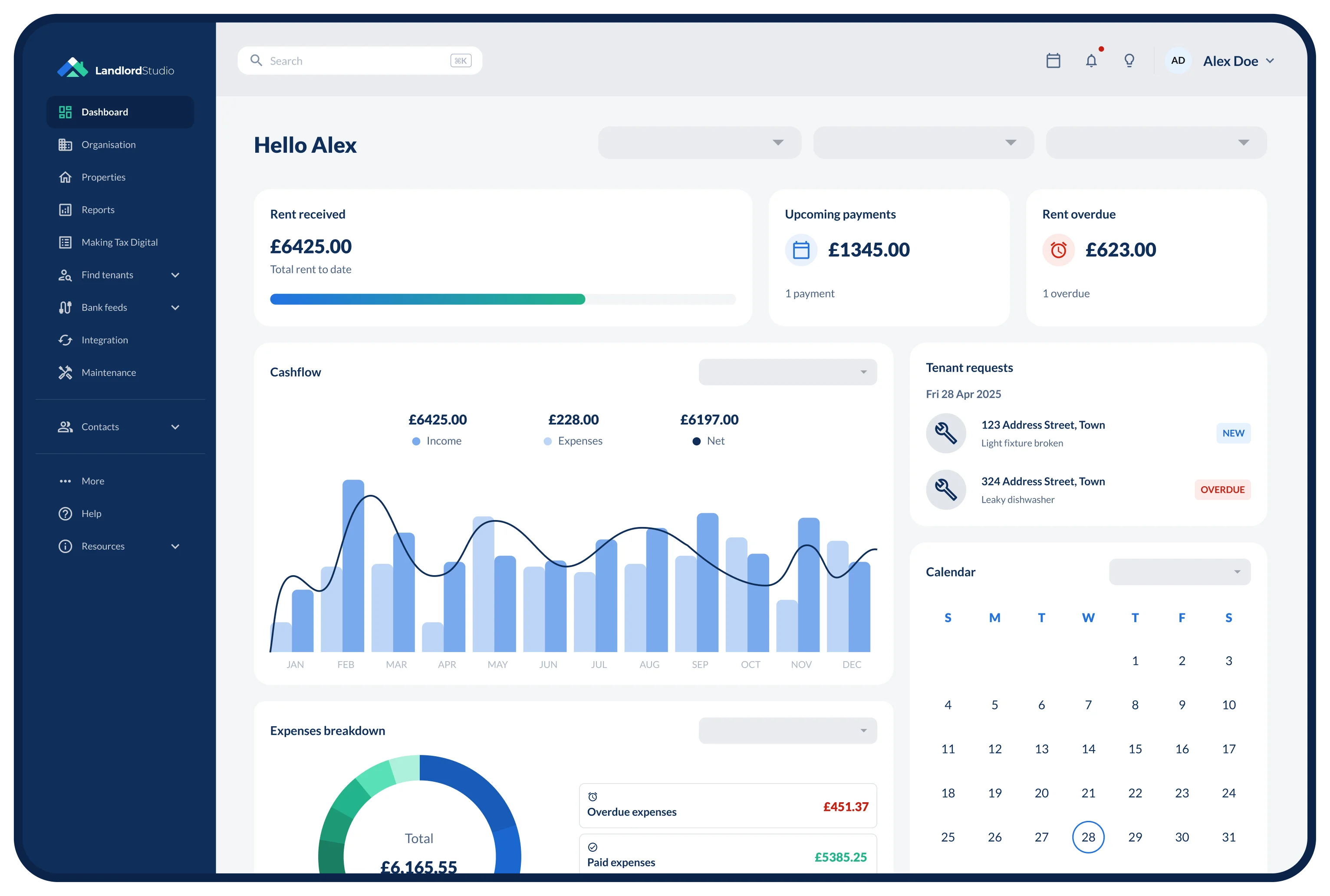
Whatever you decide, Landlord Studio will help you stay organized. As well as making it easier to list your rental property and find the ideal tenant, you can collect rent, track your income and expenses, and instantly generate any of our accountant-approved reports.


About Landlord Studio

Landlord Studio is an easy to use property management and accounting software designed for landlords.
Find and screen tenants, collect rent online, track income and expenses, run reports, and more - all for free.
Create your FREE account with Landlord Studio today.

From finding tenants to filing taxes. Reduce vacancies and maximize your portfolio ROI with software designed for you.
Get started for free