Welcome! Where would you like to log in?

Sign up and get
PRO free for 14 days
Once your PRO trial is over you can continue using Landlord Studio GO completely free.
By continuing you agree to our Terms & Conditions.

Visiting from the
United Kingdom?
Please visit our United Kingdom site for a better experience
Continue
Rental Property Inspection Laws: How Often Can You Inspect a Property?
Landlords must follow best practices and know rental property inspection laws that stipulate when a landlord can enter a rental property.

Read summarized version with:


Landlords have invested hundreds of thousands of dollars in their properties and so quite fairly want to ensure they are looked after and maintained properly. However, tenants also have a right to privacy and the quiet enjoyment of their homes. This means that an appropriate balance needs to be established.
In order to respect this right to privacy, landlords need to follow best practices and be aware of state rental property inspection laws that stipulate the circumstances a landlord can enter an occupied rental property. In this article, we take a look at when and how frequently landlords are allowed to carry out a rental property inspection.
What is a tenant’s right to privacy?
Numerous state and local laws ensure that a tenant has the right to a certain level of privacy. However, a landlord must have a degree of access to the property they own in order to carry out inspections, make repairs, and so forth. Finding that balance is the task of state lawmakers, who have specifically outlined what is required of both parties.
What is a too-frequent rental property inspection?
There are certain landlord behaviors that tenants (and the law) consider invasive, which include but is not limited to:
- Entering without the tenant’s permission
- Impromptu visits without proper notice in writing
- Written notices that don’t specify time or date
- Allowing others, such as service technicians, to enter the property unaccompanied
- Conducting inspections and other work outside of reasonable hours
- Using entry to harass a tenant
Landlords who violate a tenant’s right to privacy must answer to law enforcement and may even face trespassing charges or a trip to small claims court for violating notice rights. To avoid this, both landlords and tenants should be familiar with their state’s laws that detail a tenant’s right to privacy as well as the requirements for landlords to enter an occupied rental property.

How often can a landlord inspect a rental property?
There is a fine line between being a concerned landlord and a nosy intruder. That being said, there is no set answer to the question; how often can a landlord inspect a property? Property inspection frequency all comes down to three main elements: the purpose of the rental property inspection, landlord professionalism, and tenant privacy.
The purpose of an inspection should be to check that the property is still in good condition, that the tenant hasn’t damaged it, and that there are no maintenance issues in need of immediate attention. Often this means small tasks like replacing fire alarm batteries and checking for leaks in the bathroom and kitchen.
Landlords, however, must not harass their tenants when it comes to inspections. Carrying out rental property inspections too often will impede a tenant’s right to privacy and can create ill feelings as a result. Ultimately landlords should be professional and set regular inspection times. For example, they may agree to carry an inspection out annually or every six months. Keeping tenants informed and up-to-date regarding rental inspections will ensure that they are on the same page as the landlord and know what to expect.
What is the best way for a landlord to handle a rental property inspection?
Firstly, landlords should make sure there is a clause in the lease that stipulates the landlord’s right to enter on the grounds of routinely inspecting the property. The clause might look something like the example below:
“Landlord’s Access for Inspection and Emergency:
Landlord or Landlord’s agents may enter the Premises in the event of an emergency, to make repairs or improvements, or to show the Premises to prospective buyers or renters. Landlord may also enter the Premises to conduct an annual inspection to check for safety or maintenance problems. Except in cases of emergency, Tenant’s abandonment of the Premises, court order, or where it is impractical to do so, Landlord will give Tenant forty-eight (48) hours’ notice before entering.”
Secondly, apart from under certain specific circumstances landlords should give plenty of notice before entering the property in order to respect the tenant’s right to privacy. For example, if you know you’d like to do an inspection every six months, let the tenant know when they move in and write it into the lease. This will mitigate any potential confusion when it comes to the timing of routine checks.
When the time comes to actually do the inspection, landlords need to make sure they give the tenant adequate notice.
Generally, states stipulate that written notice needs to be given between 24 – 48 hours before the inspection. However, some states have no regulations regarding the notice period. Despite this, it is important to note that even if your rental property is located in a state with no notice period statutes, it is still highly recommended to act with professionalism and give tenants plenty of warning before entering a property.
When can a landlord enter a property?
While there are some variations between states, most state laws outline the situations where landlords can enter an occupied rental unit, though some don’t have any statutes addressing the issue.
For states with landlord entry laws, there is a range of variations for which it is appropriate for the landlord to enter. It’s critical that both landlords and tenants are familiar with each specific situation so they can either exercise or defend their rights.
Landlord entry allowances can generally be divided into a few different situations that clearly define when a landlord has the right to enter the rental property that they own, as well as what they can and cannot do while there.
If there is an emergency
A landlord may be permitted to enter an occupied property in the event of an emergency. For example, a neighbor might report that they smell a gas leak, can see smoke or fire, or have noticed flooding. In this scenario, the landlord has the right to enter the property in order to take immediate care of the issue. In this circumstance, the landlord can enter without the tenant’s permission.
For a routine rental property inspection and maintenance
With proper written notice, landlords have the right to enter the property for several purposes. Firstly, landlords can conduct routine inspections of the property to ensure it is being looked after and check for any maintenance requirements. Secondly, should maintenance be scheduled, the landlords need to give proper notification to the tenant. Thirdly, the landlord needs to notify the tenant if they plan to enter the property with the purpose to show it to prospective tenants.
The rental property inspection laws in this scenario do vary from state to state. State laws determine the following:
- What kind of notice needs to be given?
- How is the notice news to be given?
- How long the notice period needs to be?
Generally, landlords must also only enter the property within what the law outlines as reasonable hours—this is typically defined as during normal business hours from 8:00 a.m. to 5:00 p.m. on weekdays.
If a tenant has an extended absence
If a tenant has left the property for an extended time, for example, a long holiday, the landlord has the right to check up on the property. Generally, an extended absence is longer than 7 days, though some states define extended absences differently. Check with your state guidelines for further clarification.
When the tenant requests
A landlord can enter the rental property if a tenant requests them to do so. For example, if the tenant requests that the landlord perform maintenance and the tenant agrees to allow entry, the landlord can enter the property, even if the tenant is not home.
As long as tenant permission is given, either in writing or verbally, the entry will not be considered illegal. Written notices are the safest and best way to ensure that both landlords and tenants understand what is happening and when. However, some situations require more immediate attention than others, so a written notice is not always the most efficient means of communication.
If the landlord suspects the property has been abandoned
If a landlord suspects that the property has been abandoned and they have sufficient evidence to back up this suspicion they can enter legally to gather further evidence of abandonment.
Reasonable evidence that might lead a landlord to conclude a tenant has abandoned a unit could include:
- The tenant has shut off the rental property’s utilities.
- Other residents or neighbors have reported the tenant saying they intended to move out.
- A change of address was filed with the post office by the tenant.
- Witnesses saw the tenant moving furniture out recently.
- The tenant was recently served a 3-day pay or quit notice and is not responding to communication attempts.
Lack of payment of rent is NOT reasonable evidence for a landlord to enter an occupied property. Should the tenant not pay you must follow the law to the letter and begin eviction proceedings.
It’s advisable to check with a lawyer to make sure you follow the correct procedure. Once you have determined that the property is abandoned, you will need to file a Notice of Belief of Abandonment which will give your tenant time to respond before you start securing the property. This is a legal document outlining the reasons you believe the property has been abandoned, an itemized list of any belongings left behind, as well as applicable deposit deductions.
How to manage rental inspections with property management software
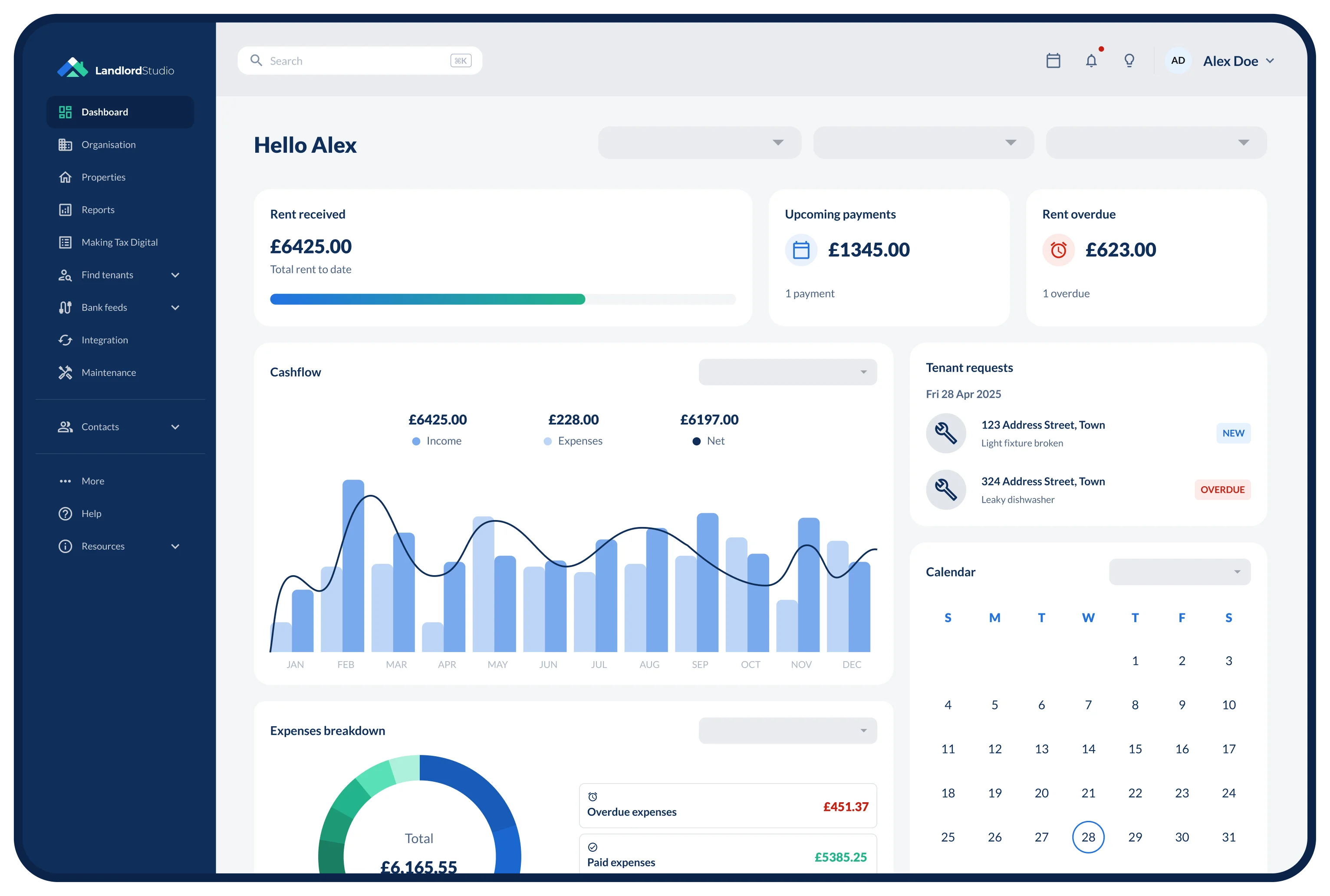
In order to abide by the rental property inspection laws and avoid stepping on your tenant’s toes, it’s a good idea to keep track of when the scheduled inspections are. Using property management software like Landlord Studio will enable you to set reminders for important dates (like property inspections) and automate emails to your tenants. This will allow you to give your tenants a heads-up before a routine inspection is due to take place.
This open communication and regular but fair inspections will give you a chance to address any maintenance issues before they snowball out of control. Maintaining clear and concise communication with your tenants in general, regarding any issues from property inspections to rent payments, will enable you to establish a good working relationship.
Another benefit of using purpose-built property management software is that you can take advantage of additional features like online rent collection, tenant screening, and rental property accounting. The job of managing your rental property portfolio will be streamlined and automated, reducing stress and time spent on administrative tasks.

Final words: rental property inspection laws
Landlords must be careful to not overstep their authority when inspecting their properties and must behave professionally within the confines of the law. This is important not only to avoid potentially expensive legal suits but also to ensure your tenants have a good renting experience and ultimately help with tenant retention. However, rental inspections do need to be routinely carried out and landlords will need to enter their rentals on occasion. When doing so they should keep the following in mind:
- Be familiar with state and local rental inspection laws.
- Outline inspection provisions in the lease or rental agreement.
- Always give the proper written notice before entering.
- Consider using property management software to set reminders and automate communications.
- Always be professional when interacting with tenants.
As a landlord, the main priority should be providing a safe and well-maintained property for your tenants. As such, the question of how often a landlord can inspect a property is not as important as the question of how to conduct appropriate property inspections within regulations and to the benefit of both parties.
You Might Like
- The Ultimate Guide To Tenant Screening For DIY Landlords
- Lease Renewal and Non-Renewal of Lease Free Templates
- What Should You Choose? Annual vs Month-To-Month Leases
- Lease Addendums A Landlord Can’t Live Without
Disclaimer
“We hope you found this blog interesting! However, do note that the information in this article does not constitute advice. This blog is for general informational and educational purposes only and should not be used as a substitute for competent legal and/or other advice from a licensed professional.”


About Landlord Studio

Landlord Studio is an easy to use property management and accounting software designed for landlords.
Find and screen tenants, collect rent online, track income and expenses, run reports, and more - all for free.
Create your FREE account with Landlord Studio today.

From finding tenants to filing taxes. Reduce vacancies and maximize your portfolio ROI with software designed for you.
Get started for free