



15 Most Landlord-Friendly States to Invest In 2027
We assessed every state on eviction notices, rent control, deposits, property tax and rent-to-value. See which is the most landlord-friendly for investment.

.jpeg)
Read summarized version with:

ChatGPT

Gemini

Claude

Grok

Add as preferred on Google
Where you buy decides how much of your time goes on paperwork, court dates and chasing rent. State law sets how long an eviction takes, whether a city can cap your rent, how much deposit you can take and how fast you have to return it. Property tax and local rents decide whether the numbers work at all.
We assessed all 50 states. Six were excluded under our eligibility rule (statewide rent caps or for-cause eviction), and we scored the other 44 on six measures using state statutes and public data. These are the 15 that scored highest, with the actual rules in each and the watch-outs a ranking won't show you. The full ranking is further down.
This covers state law only. Cities and counties can add their own rules, and laws change. It isn't legal advice: check the current statute or talk to a local attorney before you act. Laws checked September 2026.
The 15 Most Landlord-Friendly States at a Glance
| # | State | Score | Nonpayment notice | Security deposit | Main watch-out |
|---|---|---|---|---|---|
| 1 | Mississippi | 97 (T1) | 3 days | No cap; return in 45 days after tenant asks | Lower rents mean smaller dollar cash flow |
| 2 | Arkansas | 95 (T1) | 3 days | Up to 2 months; return in 60 days | Minimum habitability rules since 2021 |
| 3 | West Virginia | 92 (T1) | None required before filing | No cap; return in 60 days | Rent control isn't banned by statute |
| 4 | Louisiana | 90 (T1) | 5 days (can be waived in the lease) | No cap; return in 1 month | Civil-law system with its own terms |
| 5 | Oklahoma | 90 (T1) | 5 days | No cap; return in 45 days after tenant asks | Refund clock starts only on written demand |
| 6 | Florida | 89 (T2) | 3 days (excluding weekends and holidays) | No cap; return in 15 days, or notify a claim within 30 | Strict deposit notice deadlines |
| 7 | Georgia | 88 (T2) | 3 business days | Up to 2 months; return in 30 days | New tenant protections from 2024 |
| 8 | Missouri | 87 (T2) | No fixed notice period | Up to 2 months; return in 30 days | City rules in Kansas City and St. Louis |
| 9 | Ohio | 86 (T2) | 3 days | No cap; return in 30 days | Higher property tax |
| 10 | Utah | 86 (T2) | 3 business days | No cap; return in 30 days | Low rent-to-value: expensive to buy in |
| 11 | South Carolina | 86 (T2) | 5 days | No cap; return in 30 days | Mid-range rent-to-value |
| 12 | Idaho | 85 (T2) | 3 days | No cap; return in 21 days (30 if the lease says so) | Low rent-to-value; short refund deadline |
| 13 | Montana | 84 (T3) | 3 days | No cap; return in 30 days (10 if nothing is deducted) | Low rent-to-value; high home prices |
| 14 | Texas | 84 (T3) | 3 days (pay-or-vacate for first-time late payers) | No cap; return in 30 days | High property tax; new 2026 eviction rules |
| 15 | Kansas | 83 (T3) | 3 days (+2 if mailed) | Up to 1 month (1.5 furnished); return in 30 days | Tightest deposit cap on the list |
These are Landlord Studio scores out of 100, based on our own weighting (see how we scored below). T1 (Tier 1) is 90+, T2 is 85–89 and T3 is 80–84. States a few points apart are effectively tied, so read the tiers before the exact rank. Utah, Idaho and Montana rank on their laws, not their returns: their rent-to-value ratios are the lowest in the top 15.
Sources: Law: state statutes, checked September 2026. Property tax: Tax Foundation effective rates. Rent and home values: U.S. Census Bureau, American Community Survey 2020–2024.
How We Scored Each State
Every state was scored the same way, out of 100. The law makes up 80 points and two economic proxies make up the other 20, because a landlord-friendly state is first about the rules you operate under.
| Factor | Points | What we measured |
|---|---|---|
| Nonpayment notice period | 25 | Notice you must give before you can file for unpaid rent. No notice or 3 days scores highest; 14 days lowest. This is the wait before filing, not the length of the whole court process |
| Rent regulation | 20 | Rent-setting rules only: 20 if state law stops cities setting rents (some allow narrow exceptions, such as emergencies); 12 if no city has rent control but it isn't banned; 4 if a city or county has it |
| Deposit and fee rules | 15 | Deposit cap, return deadline and any statutory cap on late fees |
| Extra regulation | 20 | Tenant rules beyond rent-setting: large-city tenant ordinances, source-of-income rules, right to counsel, rental registries and good-cause rules for some tenants |
| Housing property tax (proxy) | 10 | Tax Foundation effective rate on owner-occupied homes. Rental properties can be taxed differently, so treat it as a guide to the state's tax level, not your actual bill |
| Rent-to-value (proxy) | 10 | Median annual rent divided by median home value (U.S. Census Bureau). Renters and owners live in different homes, so this is a rough state-level signal, not the yield on a property you buy |
- Any state with statewide for-cause eviction or rent caps was excluded outright. That rules out California, Oregon, Washington, New Jersey, New Hampshire and, since 2024, Colorado
- Ties went to the state with the shorter notice period
- We re-ran the ranking 729 times, moving each weight up and down. Nine states made the top 15 every time. The 15th spot was close to a three-way tie between Kansas, Kentucky and Alabama
- A high score means the state rules favor landlords. It doesn't mean every city in that state is a good investment
Scores for the Top 15
| State | Notice (25) | Rent rules (20) | Deposits (15) | Extra rules (20) | Tax (10) | Rent-to-value (10) | Total |
|---|---|---|---|---|---|---|---|
| Mississippi | 22 | 20 | 15 | 20 | 10 | 10 | 97 |
| Arkansas | 22 | 20 | 13 | 20 | 10 | 10 | 95 |
| West Virginia | 25 | 12 | 15 | 20 | 10 | 10 | 92 |
| Louisiana | 18 | 20 | 14 | 20 | 10 | 8 | 90 |
| Oklahoma | 18 | 20 | 14 | 20 | 8 | 10 | 90 |
| Florida | 22 | 20 | 13 | 20 | 8 | 6 | 89 |
| Georgia | 22 | 20 | 12 | 20 | 8 | 6 | 88 |
| Missouri | 25 | 20 | 12 | 20 | 6 | 4 | 87 |
| Ohio | 22 | 20 | 14 | 20 | 2 | 8 | 86 |
| Utah | 22 | 20 | 14 | 20 | 10 | 0 | 86 |
| South Carolina | 18 | 20 | 14 | 20 | 10 | 4 | 86 |
| Idaho | 22 | 20 | 13 | 20 | 10 | 0 | 85 |
| Montana | 22 | 20 | 14 | 20 | 8 | 0 | 84 |
| Texas | 22 | 20 | 12 | 20 | 2 | 8 | 84 |
| Kansas | 22 | 20 | 9 | 20 | 4 | 8 | 83 |
The 15 States, State by State
1. Mississippi

- Nonpayment notice: 3 days to pay before the lease ends and you can file (Miss. Code §89-8-13(5), as amended by SB 2461 (2022))
- Security deposit: no state cap; return within 45 days once the tenancy has ended, you have the property back and the tenant has asked for the deposit (§89-8-21)
- Rent control: cities can't regulate rent on private homes without the Legislature's approval (§21-17-5)
- Housing property tax: 0.58%
- Rent-to-value: 6.7%, the highest in our data
- Watch out: cheap homes mean lower rents, so the dollar margin per door is thin. Budget carefully for repairs and vacancies
- Why it made the list: It scores near the top on every measure: a short notice period, no deposit cap, low tax and the best rent-to-price ratio of any state we scored.
Read the legal guide: Mississippi Landlord-Tenant Law
2. Arkansas

- Nonpayment notice: 3 days to leave (per the Arkansas Attorney General)
- Security deposit: capped at 2 months' rent; return within 60 days. These deposit rules don't apply to landlords with five or fewer units, unless a third party manages them
- Rent control: banned. A 2025 law (Act 459) also stops cities capping application fees and deposits
- Housing property tax: 0.56%
- Rent-to-value: 6.0%
- Watch out: Arkansas added minimum habitability standards in 2021 (Act 1052). The old criminal "failure to vacate" law is still on the books, but many counties won't enforce it, so don't plan around it
- Why it made the list: Arkansas has long been seen as the most landlord-friendly state in the country. The 2021 habitability law narrowed the gap, but a 3-day notice, low tax and a strong rent-to-value ratio still put it near the top.
Read the legal guide: Arkansas Landlord-Tenant Law
3. West Virginia

- Nonpayment notice: none required. You can file a petition for summary relief straight away (W. Va. Code §55-3A-1)
- Security deposit: no cap; return within 60 days of the tenancy ending, or 45 days after a new tenant moves in, whichever comes first (§37-6A-2)
- Rent control: no city has it, but no state law bans it either. A 2025 bill to ban it died in committee
- Housing property tax: 0.51%
- Rent-to-value: 6.4%
- Watch out: because rent control isn't banned, a future local ordinance isn't impossible
- Why it made the list: It has the shortest wait before you can file of any state we scored, no deposit cap and some of the lowest costs to hold a property. It loses points only because rent control isn't banned by law.
Read the legal guide: West Virginia Landlord-Tenant Law
4. Louisiana

- Nonpayment notice: 5 days to vacate, and the tenant can waive it in the lease (La. C.C.P. art. 4701)
- Security deposit: no cap; return within one month of the lease ending. Act 63 of 2026 (in force from 1 August 2026) changed the timing for itemized statements, so check the current text of La. R.S. 9:3251
- Rent control: state law says a landlord's rights can only be limited by state law, which rules out local rent control
- Housing property tax: 0.55%
- Rent-to-value: 5.9%
- Watch out: Louisiana uses civil law, not common law, so leases and court terms differ from other states. Use a Louisiana-specific lease
- Why it made the list: A short, waivable notice period, no deposit cap and low property tax. Few states give landlords this much room to set terms in the lease.
Read the legal guide: Louisiana Landlord-Tenant Law
5. Oklahoma

- Nonpayment notice: 5 days to pay or leave
- Security deposit: no cap; return within 45 days after the tenant asks for it in writing
- Rent control: cities can't regulate rent on private rentals; city-owned and some subsidized housing is exempt (11 O.S. §14-101.1)
- Housing property tax: 0.79%
- Rent-to-value: 6.1%
- Watch out: the deposit clock only starts once the tenant makes a written demand, so keep a record of when that arrives
- Why it made the list: A strong rent-to-value ratio with a short notice period and no deposit cap. It gives up a few points to the leaders only on property tax.
Read the legal guide: Oklahoma Landlord-Tenant Law
6. Florida
- Nonpayment notice: 3 days to pay or hand back possession, not counting weekends or legal holidays (Fla. Stat. §83.56)
- Security deposit: no cap. Return it within 15 days if you're not keeping any, or send written notice of a claim within 30 days (§83.49)
- Rent control: banned, and since 2023 the state has overridden local landlord-tenant rules, so one set of rules applies statewide
- Late fees: no statutory cap, but they must be in the lease
- Housing property tax: 0.78%
- Rent-to-value: 5.6%
- Watch out: miss the 30-day claim notice and you lose the right to keep any of the deposit. Insurance costs are high in many areas, so get quotes before you make an offer
- Why it made the list: Florida's rules are detailed, not loose, but they're predictable and the same across the state. Add a fast notice period and no deposit cap, and it's one of the easiest large markets to operate in.
Read the legal guide: Florida Landlord-Tenant Law
7. Georgia
- Nonpayment notice: 3 business days to pay or vacate, under the 2024 Safe at Home Act (HB 404). After you file, the tenant has 7 days to answer the court summons
- Security deposit: capped at 2 months' rent for leases signed or renewed from 1 July 2024; return within 30 days
- Rent control: banned by state law
- Late fees: no statutory cap
- Housing property tax: 0.79%
- Rent-to-value: 5.5%
- Watch out: the same 2024 law added a duty to keep homes fit to live in. Update older Georgia leases, which may not reflect these rules
- Why it made the list: Georgia is no longer the "informal" state it once was, but a 3-business-day notice and a rent-control ban still make it one of the most workable states for landlords.
Read the legal guide: Georgia Landlord-Tenant Law
8. Missouri

- Nonpayment notice: no fixed notice period. You must have demanded the rent, then you can file a rent-and-possession case
- Security deposit: capped at 2 months' rent; return within 30 days
- Rent control: banned by state law (RSMo 441.043)
- Housing property tax: 0.89%
- Rent-to-value: 5.4%
- Watch out: check city ordinances before you buy in Kansas City or St. Louis
- Why it made the list: No fixed notice period before you can file, and state law stops cities setting rents.
Read the legal guide: Missouri Landlord-Tenant Law
9. Ohio
- Nonpayment notice: 3 days' notice to leave before you file (ORC 1923.04). The tenant only has to move out after a court judgment
- Security deposit: no cap; return within 30 days. For tenancies of six months or more, you owe 5% annual interest on any amount above one month's rent or $50, whichever is greater (ORC 5321.16)
- Rent control: banned since 2022
- Housing property tax: 1.36%
- Rent-to-value: 5.8%
- Watch out: property tax is among the highest on this list, so run it through your numbers early
- Why it made the list: Fast notice, no deposit cap and strong cash-flow markets such as Cleveland and Columbus. High housing property tax is its one weak spot.
Read the legal guide: Ohio Landlord-Tenant Law
10. Utah

- Nonpayment notice: 3 business days to pay or leave
- Security deposit: no cap; return within 30 days
- Rent control: banned by state law
- Tenants who stay on after the notice period can owe three times the rent and damages
- Housing property tax: 0.48%
- Rent-to-value: 3.7%, one of the lowest on this list
- Watch out: the law is on your side, but high prices mean the numbers rarely work as a cash-flow buy. It suits appreciation investors better
- Why it made the list: Utah has near-perfect landlord law and very low property tax. Its only weak spot is rent-to-value.
Read the legal guide: Utah Landlord-Tenant Law
11. South Carolina

- Nonpayment notice: 5 days to pay before you can file (S.C. Code §27-40-710)
- Security deposit: no cap; return within 30 days of the later of move-out or the tenant's request
- Rent control: banned by state law
- Housing property tax: 0.49%
- Rent-to-value: 5.5%
- Watch out: rent-to-value is average, so the case for South Carolina rests more on low costs and predictable law than on cash flow
- Why it made the list: Low tax, no deposit cap and a short notice period, with no major local rules on top.
Read the legal guide: South Carolina Landlord-Tenant Law
12. Idaho
- Nonpayment notice: 3 days to pay or leave (Idaho Code §6-303)
- Security deposit: no cap; return within 21 days, or up to 30 days if the lease allows (§6-321)
- Rent control: banned. A 2021 law also stops cities regulating rental fees and deposits
- Housing property tax: 0.50%
- Rent-to-value: 3.5%, tied with Montana for the lowest on this list
- Watch out: the deposit deadline is shorter than most states, and home prices are high relative to rents
- Why it made the list: Landlord law is about as favorable as it gets, and property tax is low. Like Utah, it's held back by expensive homes.
Read the legal guide: Idaho Landlord-Tenant Law
13. Montana

- Nonpayment notice: 3 days to pay or leave (MCA 70-24-422)
- Security deposit: no state cap; return within 30 days, or 10 days if you're not deducting anything (MCA 70-25-202)
- Rent control: cities can't control rents, and they can't regulate landlords beyond state law (MCA 7-1-111)
- A 2025 law (HB 444) lets you send notices by email or text and refund deposits electronically
- Housing property tax: 0.61%
- Rent-to-value: 3.5%, tied with Idaho for the lowest on this list
- Watch out: lease violations other than nonpayment get 14 days to cure. High prices mean it suits appreciation more than cash flow
- Why it made the list: Montana's law is one of the most landlord-friendly in the West, and cities can't add their own layer. Like Utah and Idaho, it's held back by rent-to-value.
Read the legal guide: Montana Landlord-Tenant Law
14. Texas
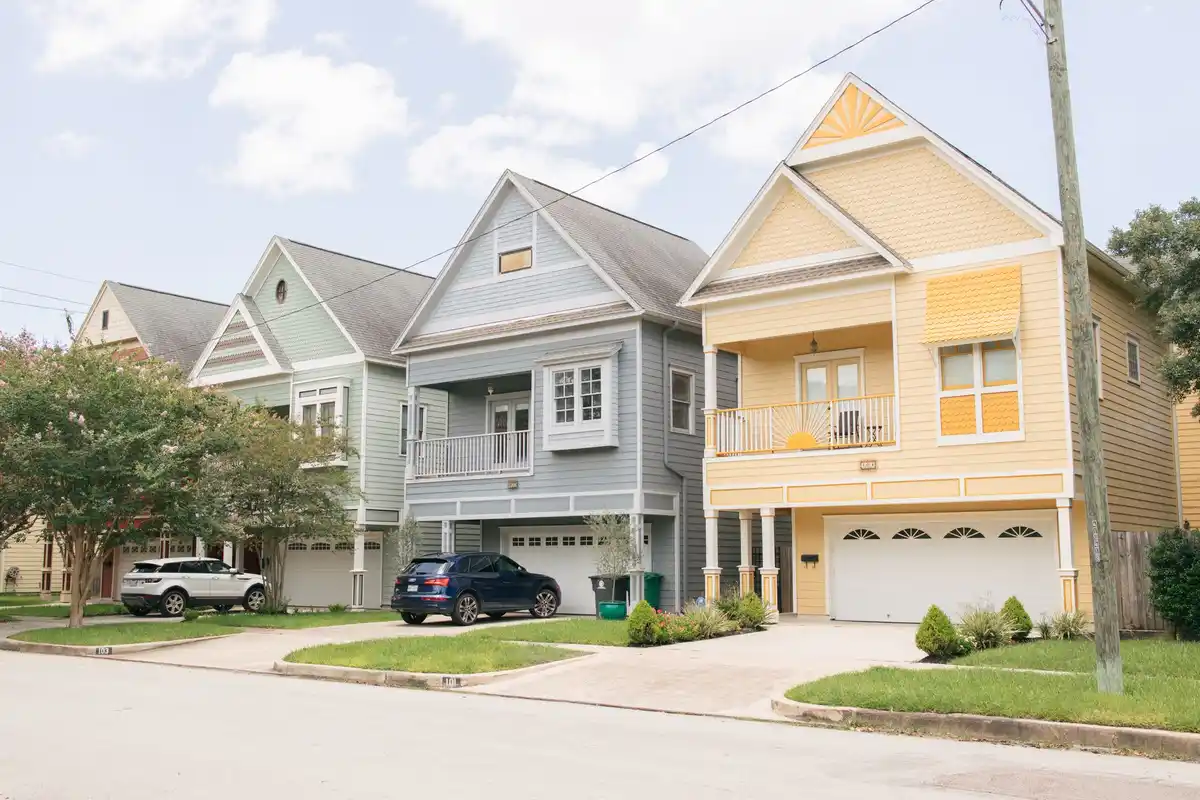
- Nonpayment notice: 3 days to vacate. Since 1 January 2026 (SB 38), a tenant who wasn't late before must get a notice to pay or vacate (Tex. Prop. Code §24.005)
- The same law also sped up eviction trials and appeals
- Security deposit: no cap; return within 30 days with an itemized list (Texas Attorney General)
- Late fees: only once rent is two full days late. Fees up to 12% of rent (four or fewer units) or 10% (larger buildings) are presumed reasonable
- Rent control: cities can only adopt it in a disaster-related housing emergency, and the governor must approve it (Local Gov't Code §214.902)
- Housing property tax: 1.40%, the highest on this list
- Rent-to-value: 5.9%
- Watch out: property tax offsets much of the legal advantage, so factor it in before comparing returns. Update notice templates for SB 38
- Why it made the list: Texas law is firmly on the landlord's side and got faster in 2026. What drags it down the list is property tax.
Read the legal guide: Texas Landlord-Tenant Law
15. Kansas
- Nonpayment notice: 3 days, or 5 if you mail it (K.S.A. 58-2564)
- Security deposit: capped at 1 month's rent unfurnished or 1.5 months furnished, plus up to half a month for pets; return within 30 days (K.S.A. 58-2550)
- Rent control: banned by state law
- Housing property tax: 1.21%
- Rent-to-value: 5.9%
- Watch out: the deposit cap leaves less of a cushion for damage than most states here
- Why it made the list: A short notice period and a solid rent-to-value ratio. Kansas, Kentucky and Alabama finished within a point of each other for this spot, so treat #15 as close to a tie.
Read the legal guide: Kansas Landlord-Tenant Law
How All 50 States Ranked
Several states on other landlord-friendly lists, including ours from previous years, scored lower once we checked their current laws.
| # | State | Score | What held it back |
|---|---|---|---|
| 16 | Kentucky | 82 | 7-day notice only applies where the local government has adopted the state's uniform landlord-tenant act. Within a point of Kansas for #15 |
| 17 | Alabama | 82 | 7-business-day notice and a 1-month deposit cap. Within a point of Kansas for #15 |
| 18 | Indiana | 81 | 10-day nonpayment notice |
| 19 | North Dakota | 79 | 1-month deposit cap and low rent-to-value |
| 20 | New Mexico | 79 | 5% late-fee cap (from 2025) and a 1-month deposit cap on shorter leases |
| 21 | Iowa | 78 | Late-fee cap and 1.33% property tax |
| 22 | Wyoming | 78 | No rent-control ban and low rent-to-value |
| 23 | Arizona | 78 | 1.5-month deposit cap, 14-business-day refund deadline and low rent-to-value |
| 24 | Wisconsin | 75 | 1.32% property tax, 21-day refund deadline and low rent-to-value |
| 25 | South Dakota | 74 | 1-month deposit cap, 21-day refund deadline and low rent-to-value |
| 26 | Michigan | 72 | 7-day notice, 1.5-month deposit cap and source-of-income rules |
| 27 | North Carolina | 70 | 10-day demand notice and a late-fee cap |
| 28 | Illinois | 69 | Chicago and Cook County ordinances, and 1.88% property tax |
| 29 | Tennessee | 69 | 14-day notice in counties covered by its landlord-tenant act, and low rent-to-value |
| 30 | Nebraska | 68 | 7-day notice, deposit cap and 1.44% property tax |
| 31 | Alaska | 64 | 7-day notice, no rent-control ban and low rent-to-value |
| 32 | Nevada | 64 | 7 judicial days' notice, 5% late-fee cap, no rent-control ban and low rent-to-value |
| 33 | Pennsylvania | 56 | 10-day notice, no rent-control ban and separate rules in Philadelphia and Pittsburgh |
| 34 | Delaware | 53 | 7-day notice since September 2026, 1-month deposit cap and a right to counsel phasing in |
| 35 | Virginia | 52 | 14-day notice, late-fee cap and new payment-plan rules from 2027 |
| 36 | Hawaii | 51 | 10-day notice plus mediation, 1-month deposit cap and the lowest rent-to-value in the country |
| 37 | Vermont | 51 | 14-day notice and 1.51% property tax |
| 38 | Massachusetts | 50 | 14-day notice, 1-month deposit cap and strict deposit penalties |
| 39 | Maine | 47 | Local rent control in Portland and a 4% late-fee cap |
| 40 | Minnesota | 41 | 14-day notice, St. Paul rent cap and an 8% late-fee cap |
| 41 | Maryland | 39 | 10-day notice, local rent caps in Montgomery County and a 1-month deposit cap |
| 42 | Rhode Island | 36 | 15-day wait plus a 5-day demand, and a statewide rental registry |
| 43 | Connecticut | 32 | Fair rent commissions, good-cause protections for older and disabled tenants, and 1.54% property tax |
| 44 | New York | 30 | Good Cause Eviction in New York City and opt-in cities, and a 14-day notice |
| — | California | Excluded | Statewide rent cap and just-cause eviction |
| — | Oregon | Excluded | Statewide rent cap and for-cause eviction |
| — | Washington | Excluded | Statewide rent cap and for-cause eviction |
| — | New Jersey | Excluded | Statewide for-cause eviction |
| — | Colorado | Excluded | Statewide for-cause eviction since 2024 |
| — | New Hampshire | Excluded | Statewide just-cause eviction for most rentals |
Before You Buy in a Landlord-Friendly State
- State law is the floor, not the ceiling. Cities can add rules on registration, inspections and fees, so check the city before you make an offer
- Landlord-friendly isn't the same as profitable. Utah, Idaho and Montana score well on law but have the lowest rent-to-value ratios on this list. For market-level numbers, see our guide to the best places to invest in real estate
- Use a state-specific lease and notice templates. Georgia and Texas both changed their rules in the last two years, and older templates may not meet them
- Know your deposit deadlines. Among the top 15 they range from 15 days in Florida (if you keep nothing) to 60 days in Arkansas and West Virginia. See security deposit laws by state
FAQs
What is the most landlord-friendly state?
In our scoring, Mississippi came first with 97 out of 100. It combines a 3-day nonpayment notice, no deposit cap, a state limit on local rent control, low property tax and the highest rent-to-value of any state we scored. Arkansas and West Virginia were close behind.
Is Texas still landlord-friendly?
Yes. Texas only lets cities adopt rent control in a disaster-related housing emergency with the governor's approval, has no deposit cap and requires only a 3-day notice to vacate. Its 2026 reforms (SB 38) also sped up eviction cases. It ranks 14th here mainly because its property tax, at 1.40%, is the highest on our list.
Which states are least landlord-friendly?
California, Oregon, Washington, New Jersey, New Hampshire and Colorado were excluded from our ranking because they have statewide rent caps or for-cause eviction rules. Of the states we scored, New York, Connecticut and Rhode Island came lowest.
Run Your Rentals From Anywhere
Wherever you buy, the paperwork is the same: screening, leases, rent collection and keeping records ready for tax time. Landlord Studio lets you screen tenants, collect rent online and track income and expenses across properties in any state, from your phone or laptop.
About Landlord Studio

Landlord Studio is an easy to use property management and accounting software designed for landlords.
Find and screen tenants, collect rent online, track income and expenses, run reports, and more - all for free.
Stay Updated on Property Insights

Get weekly tips, tax updates, and landlord strategies straight to your inbox.
Inherited Tenants, Hidden Risks: A Due Diligence Guide for Buying Occupied Rentals
Join our webinar on buying tenant-occupied rentals. Discover the due diligence checklist, where occupied rentals leak money, and how to vet what you inherit.
Details:
Free
Hosted by:
Matt Hardy
Jennifer Ruelens
When:
August 26, 2026
10:00am PT / 1:00pm ET
Duration:
45 mins
Format:
Live Webinar
Guest:
Jennifer Ruelens, Property Manager, Investor & Founder with 20+ Years Experience in Real Estate
Co-host Matt Hardy, Head of Marketing at Landlord Studio