The True Cost of Late Rent Payments
It's the 5th of the month. Your mortgage is due tomorrow, but three tenants haven't paid yet. You've sent reminders and left voicemails, and now face uncomfortable follow-up calls. Meanwhile, a needed repair on unit #4 sits on hold until those payments arrive.
This scenario plays out monthly for thousands of landlords, creating a cascade of problems beyond the missing funds. Late payments disrupt your cash flow, delay property maintenance, and create unnecessary stress in your life. The mental bandwidth consumed by payment tracking and follow-ups represents hours you could spend improving properties, finding new investments, or simply enjoying your life.
Continuing with manual rent collection today is like navigating cross-country with paper maps when GPS is readily available. Yes, it's technically possible, but it's needlessly difficult, time-consuming, and prone to complications.
Why Automation is Non-Negotiable for Modern Landlords
Automated rent collection isn't a luxury feature or a nice-to-have technology-it's become essential infrastructure for effective property management. According to ZipDo Education Reports 2026, 65% of property managers now use automated rent collection systems, a significant jump from 48% in 2020. This rapid adoption reflects a fundamental truth: manual collection methods simply can't compete with the efficiency and reliability of automation.
The most significant advantage of automation is how it fundamentally shifts responsibility. With manual collection, you're actively involved in every transaction-sending reminders, processing checks, recording payments. Automation transfers this burden to a reliable system that operates consistently without your direct involvement.
For independent landlords juggling multiple responsibilities, this shift from active management to passive oversight represents valuable time and mental energy reclaimed. Before making the switch, it helps to understand the best way to collect rent payments from your tenants so you can choose a method that fits your portfolio and tenant base.
The Remarkable Results of Automated Collection
The impact of switching to automated rent collection can be transformative. Consider the case of Case & Associates: How Zuma Helped Reach 100% Rent Collection and Cut Court Filings to Zero. At one of their properties, they hit 100% rent collection in the very first month after rolling out an automated system-something that had never happened before. Another community, Cascada, had been filing on 2 to 3 residents per month; in their first month with the new system, they filed on zero. These aren't incremental improvements-they represent a fundamental change in business operations.
The data from independent research reinforces these results. According to a case study on how digital collection increased on-time rent by 35%, the share of tenants paying on or before the due date rose from 60% to 81% after switching to an automated system. Automated reminders and the ability to set up recurring payments played a central role in driving that improvement.
When you implement automated collection, you can expect:
- Predictable cash flow: Know exactly when funds will arrive, allowing better planning for expenses and investments
- Elimination of payment conversations: Remove the awkward dynamic of personally requesting money from tenants
- Reduced administrative work: End the monthly cycle of manual payment tracking, reminder sending, and record updating
- Better financial record-keeping: Automatically categorized transactions make tax preparation simpler and help maximize deductions-Landlord Studio users typically save 25 times their annual subscription cost through proper tax documentation
Setting Up Your Automated Rent Collection System
Transitioning to automated collection is straightforward when approached systematically. The landlord's guide to automatic rent payments walks through each step of the process, from choosing a platform to helping tenants set up recurring authorizations. If you're wondering how to set up automatic rent payments, the steps below cover everything you need to get started.
- Select your platform: Choose a comprehensive solution like Landlord Studio that integrates rent collection with your broader property management needs. The right rent collection software automation landlords rely on will handle reminders, processing, and records all in one place.
- Establish clear payment terms: Rent Collection Best Practices: Get Paid On Time Every Month recommends setting specific due dates, grace periods, and late fee structures-and enforcing them consistently
- Communicate the change positively: Present automation as a convenience for tenants, highlighting benefits like payment flexibility and automatic receipts
- Provide options: Allow tenants to choose from multiple payment methods (ACH, credit card) while encouraging the most efficient
- Set up recurring payments: Help tenants establish standing authorizations and enable autopay to eliminate monthly payment actions
Landlord Studio makes this transition particularly seamless by offering an intuitive interface for both landlords and tenants, along with dedicated support for users new to automated systems.
Beyond Collection: How Automation Transforms Your Business
Automated rent collection delivers benefits that extend far beyond simply receiving payments on time. It becomes the foundation for a more sophisticated approach to property management.
Consider a landlord managing five properties. Before automation, they spent 10+ hours monthly on payment-related tasks: sending reminders, processing checks, recording transactions, and following up on late payments. After implementing Landlord Studio's automated collection, those hours are reclaimed while achieving more consistent results. The ability to automate rent collection to avoid late payments is one of the most impactful changes any landlord can make, regardless of portfolio size.
The system also generates valuable data automatically. Every payment creates a timestamped record that feeds into financial reports, helping identify trends and forecast cash flow. When tax season arrives, these detailed records make it simple to claim every eligible deduction, potentially saving thousands.
Perhaps most valuable is how automation improves tenant relationships by removing the personal element from payment requests. The system becomes the neutral third party requesting payment, allowing you to maintain a more positive, service-oriented relationship with tenants. It's also worth noting that payment apps like Venmo and Zelle aren't built for rent collection and can create accounting headaches and liability issues that purpose-built platforms avoid.
Reducing Late Rent Payments with Technology Solutions
Reducing late rent payments technology solutions have advanced significantly in recent years, giving landlords tools that were once only available to large property management companies. Automated reminders, scheduled ACH pulls, and real-time payment tracking work together to ensure funds arrive on time, every month. Rather than chasing down tenants, you receive instant notifications and your records update automatically.
Common Objections & Realities
Despite the clear benefits, some landlords hesitate to implement automated collection. Let's address the most common concerns:
"My tenants prefer paying by check."
While some tenants initially resist change, most quickly appreciate the convenience of digital payments once they try them. The key is proper communication and offering temporary flexibility during transition.
"I'm concerned about transaction fees."
While some payment methods carry nominal fees, these costs are minimal compared to the value of guaranteed on-time payments and hours saved. Many landlords build these costs into their rental pricing strategy.
"I'm not tech-savvy enough."
Modern platforms like Landlord Studio are designed with user-friendly interfaces that require no technical expertise. The initial setup typically takes less than an hour, yet saves countless hours going forward.
Is Automated Rent Collection Right for Every Landlord?
Automated collection suits portfolios of all sizes. Whether you manage one unit or fifty, the time savings and consistency benefits apply. Even single-property landlords report that removing the monthly payment conversation reduces stress and keeps tenant relationships on a more professional footing.
The Future is Automated
Automated rent collection isn't simply a trend-it's the new standard for effective property management. The evidence is clear: systems that automate this critical function deliver near-perfect collection rates, eliminate hours of administrative work, and improve landlord-tenant relationships.
For independent landlords seeking to maximize returns while minimizing time investment, automation represents the single most impactful change you can make to your operations. Each month of delay means more hours spent on unnecessary payment follow-ups and potential revenue disruptions.
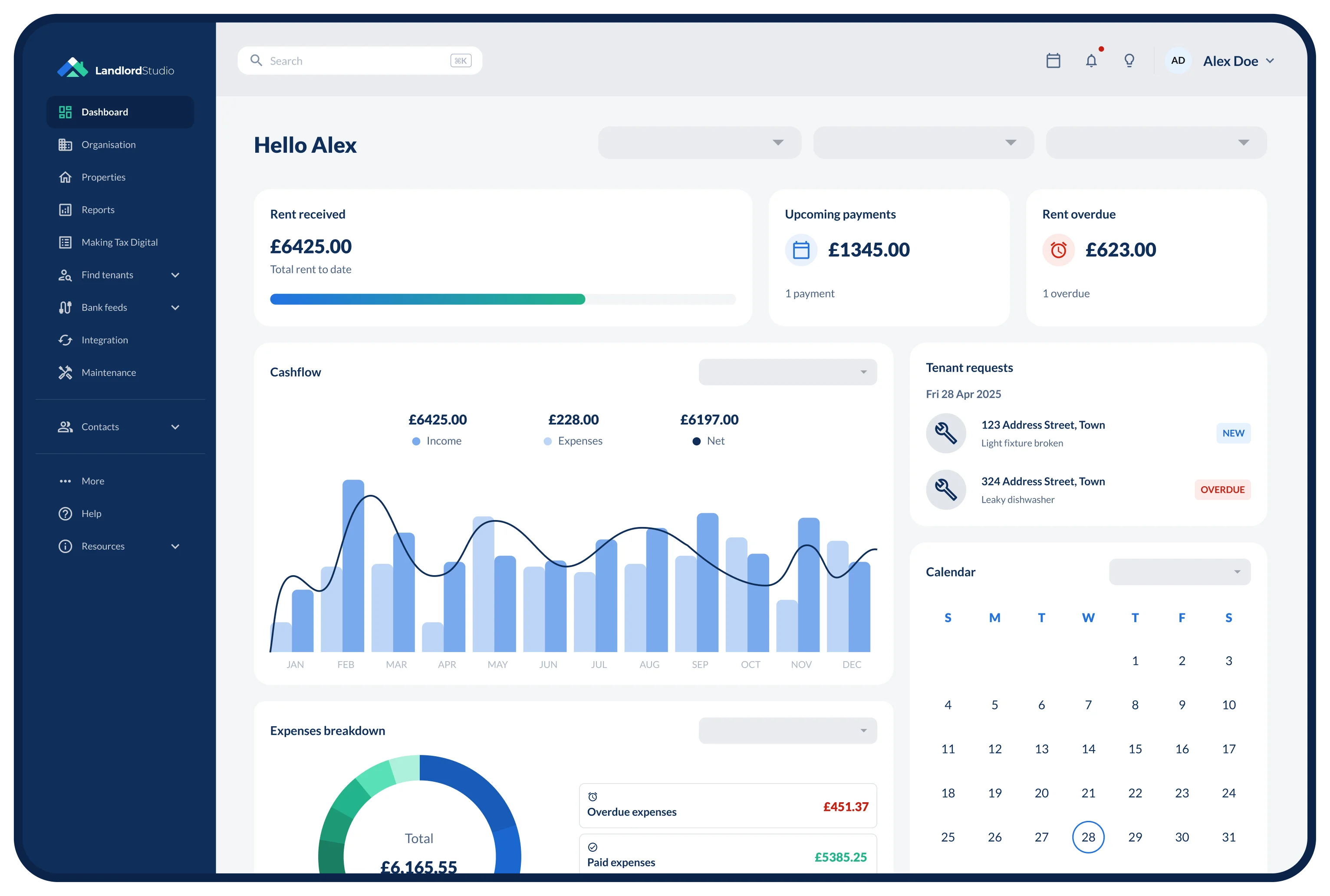
Landlord Studio's integrated platform offers not just automated rent collection, but a comprehensive solution that connects these payments directly to your accounting, reporting, and tax preparation needs. The result is a property management operation that runs with predictable efficiency, allowing you to focus on growth rather than administration.
Take the first step toward stress-free rent collection today by exploring how Landlord Studio's automated tools can transform your rental business.




.jpg)


.webp)