




Read summarized version with:

ChatGPT

Gemini

Claude

Grok

Add as preferred on Google
The best lock for a rental property is the one that costs you least between tenants.
For most landlords that means a lock you can rekey yourself, a keypad you can recode without a locksmith, or a smart lock that lets you issue and revoke codes remotely. Which of the three depends on how often your tenants change, who you need to let in besides them, and how much force the door actually has to resist.
Here is how the eight locks below compare:
| Lock | Type | Changing access between tenants | Physical key backup | Guide price |
|---|---|---|---|---|
| Kwikset 660 with SmartKey | Keyed deadbolt | Rekey it yourself in about five minutes | Key only | From around $25 |
| Schlage BE365 Camelot | Keypad, no app | Change the code on the keypad | Yes | Around $105 to $150 |
| Kwikset SmartCode 913 | Keypad, no app | Change the code, plus SmartKey rekeying | Yes | Around $100 to $130 |
| Schlage Encode | Smart, built in Wi-Fi | Remotely, from the app | Yes | Around $230 to $260 |
| Kwikset Halo | Smart, built in Wi-Fi | Remotely, up to 250 user codes | Yes | Around $190 to $200 |
| Yale Assure Lock 2 | Smart, Bluetooth or Wi-Fi | Remotely, permanent or scheduled or temporary | Yes, on most models | Around $160 to $300 |
| August Wi-Fi Smart Lock | Smart retrofit, keeps your deadbolt | Remotely, from the app | Yes, your existing key still works | Around $200 to $250 |
| Landlord Locks | Keyed, swappable cylinder | Swap the cylinder, around $10 to have it rekeyed | Key only | Cylinder plus rekeying fee |
Prices above were checked against manufacturer and major retailer listings in September 2026. Lock pricing moves a lot by finish and retailer, so treat these as guide prices and check the current figure before you buy.
Key considerations when choosing a lock for your rental property
1. How often do your tenants change
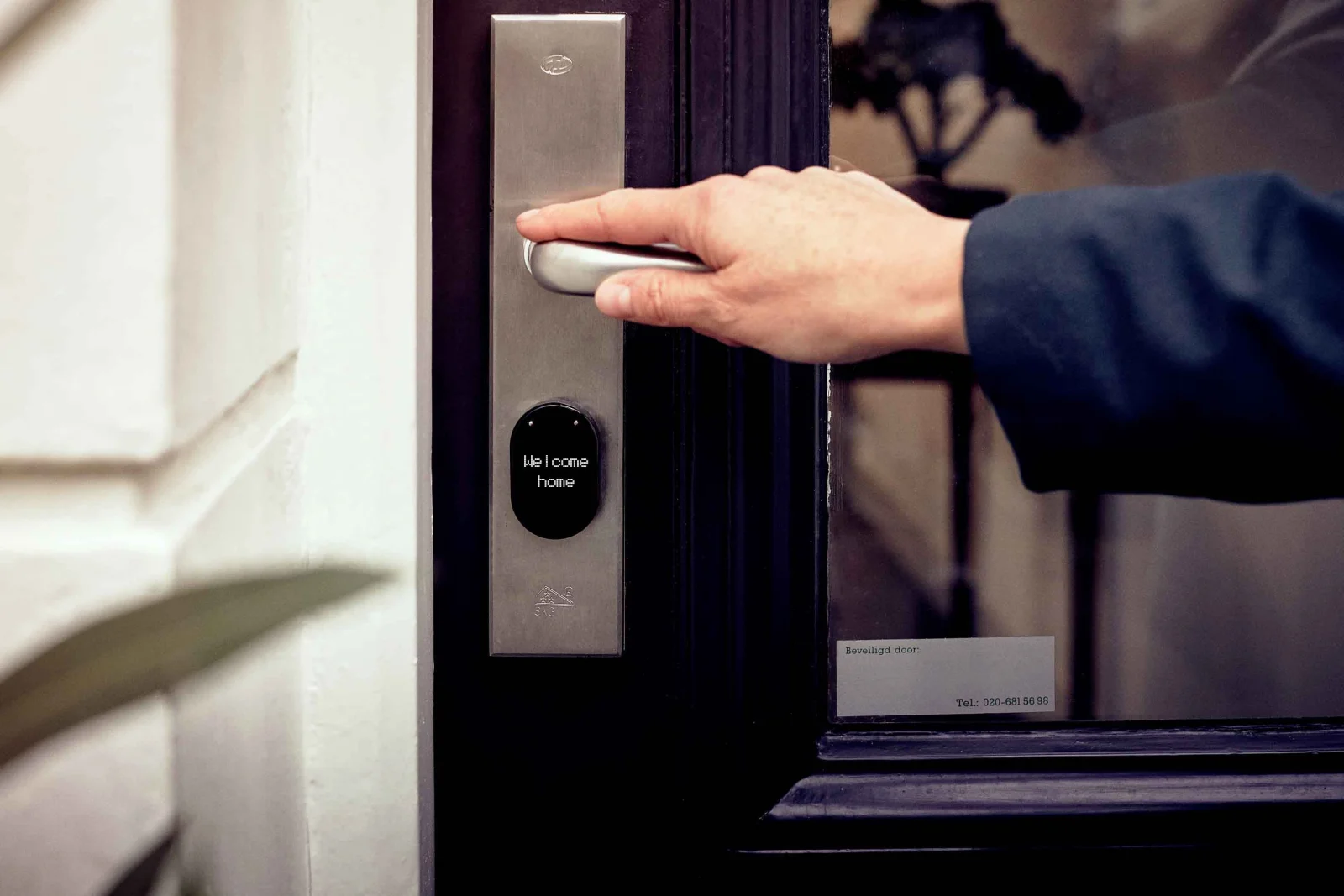
If you have frequent tenant turnover, you do not want to buy a new lock every time somebody new moves in. That gets expensive, and it takes time you probably do not have.
Turnover is the single biggest factor in this decision. A twelve month tenancy means one access change a year, and almost any lock handles that. A six month tenancy on a small portfolio means a dozen changes a year, and at that point the cost of a locksmith starts to outweigh the cost of a better lock.
If you run a vacation rental rather than a long term tenancy, the shortlist looks different again, because you are changing access every few days rather than every few months. Our guide to the best smart locks and rental lock boxes for short-term rentals covers those options and their current prices.
2. Rekeying
Rekeying means re-pinning the lock cylinder so a different physical key works. It is not the same as changing a keypad code, and the distinction matters because only one of them needs a locksmith.
Certain locks are built to be rekeyed by the owner. Any Kwikset cylinder with SmartKey can be rekeyed in about five minutes with the existing key and the small learning tool that comes in the box, which means you can change the key between tenants without calling anybody out. That convenience is real, and it comes with a security trade-off that is worth reading before you commit a portfolio to it. See the note on SmartKey security further down this page.
Whether you are legally required to rekey between tenancies depends on your state. Texas Property Code section 92.156, for example, requires the landlord to rekey at their own expense no later than the seventh day after each tenant turnover date. Many states impose no such duty at all.
Our state-by-state breakdown of when a landlord can change the locks sets out the position where your property is.
3. Key control
The problem with handing over a physical key is that you have no control over whether it gets copied. Once the tenant has the key there is nothing to stop them walking into a hardware store and cutting three more.
Over several tenancies that compounds. Five tenants over five years, each of whom may have made a spare, and you have no idea how many working keys exist for the property. This is the strongest argument for a keypad or a smart lock, because a code you can change leaves nothing behind when a tenant moves out.
4. Security
A lock only provides security if it stops people getting in. If several people hold keys, or the lock itself is weak, the security of the property is compromised regardless of what the lock cost.
Look for some level of anti-drill protection and bump-key resistance. An anti-drill plate or a hardened steel pin that deflects a standard drill bit both help.
Worth knowing that residential deadbolts carry an ANSI/BHMA security grade of 1, 2 or 3, with Grade 1 the strongest, and that the grade is published on the manufacturer's spec sheet. If a listing does not state a grade, that is itself informative.
One thing landlords consistently over-index on. For protection against a kicked door, a battering ram or pulled hinge pins, the door, the frame and the strike plate matter more than the lock. A Grade 1 deadbolt in a soft pine jamb with half-inch screws is not a Grade 1 door.
The three kinds of lock for a rental property
Almost every lock a landlord considers falls into one of three groups, and the group matters more than the brand. Pick the group first.
1) Keyed locks you can rekey yourself
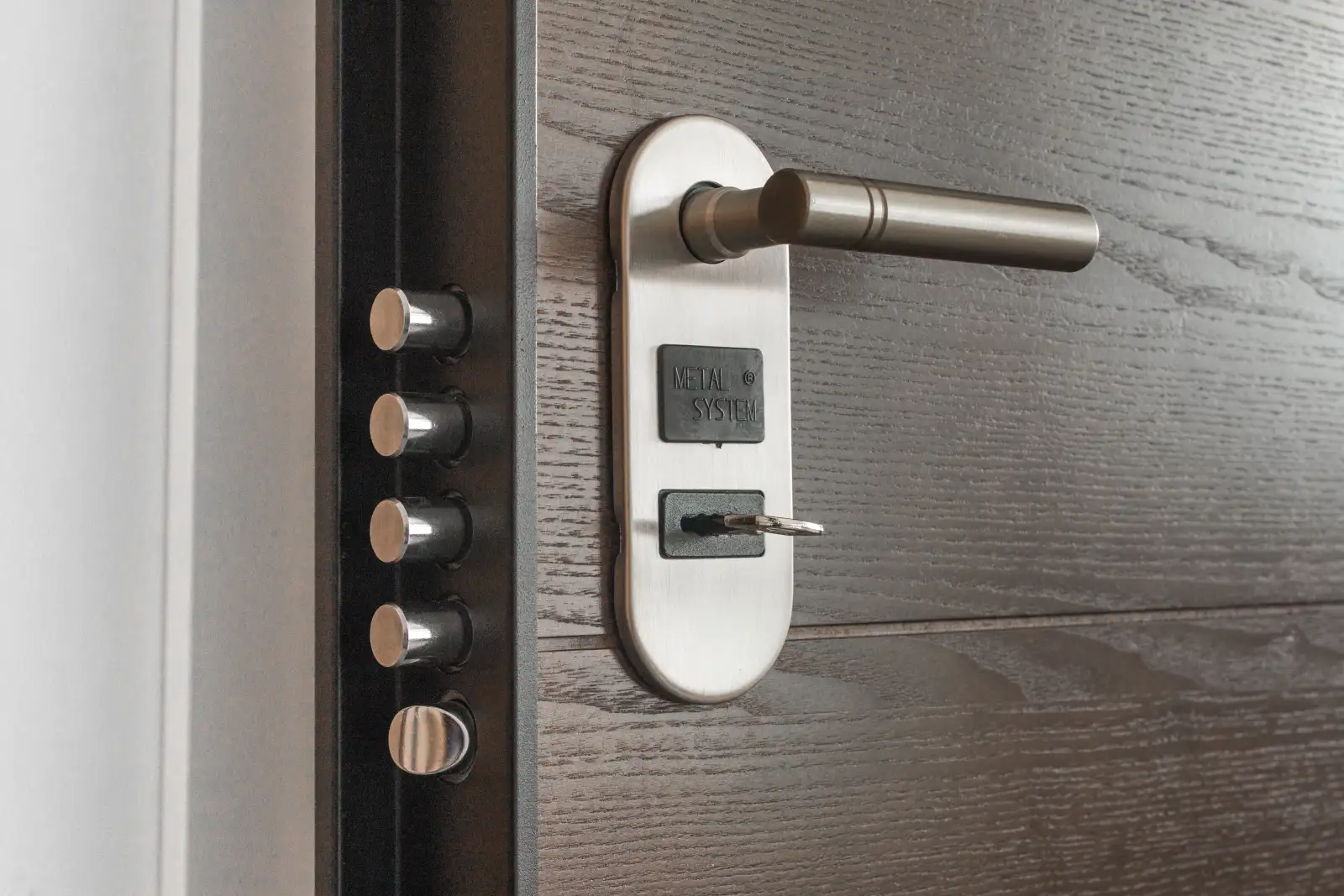
A conventional deadbolt with a cylinder designed for owner rekeying. You still hand over a physical key, but you can change which key works between tenants without a locksmith.
Cheapest to buy and the simplest thing on the door. No batteries, no app, nothing to go wrong in a power cut. The downside is that you are still managing physical keys, so key control stays a problem, and you have to be at the property to rekey it.
Best for long tenancies, single properties, and landlords who want the least technology on the door.
2) Keypad locks with no app
A deadbolt with a physical keypad and no network connection. You set a code, the tenant enters it, and you change the code when they leave. Most retain a keyway so a physical key still works as backup.
This is the option most landlords underrate. It solves key control completely, needs no wifi, no hub and no account, and the only maintenance is batteries once or twice a year. It also removes the lockout call, because a tenant cannot lose a code the way they lose a key.
The limitation is that you have to be at the property to change the code, so it does not suit remote management or frequent turnover.
Best for most long term rentals.
3) Smart locks with remote code management
A deadbolt with Wi-Fi or Bluetooth and an app. You create, schedule and revoke codes from your phone, and most will tell you when a code was used.
The reason to pay the extra is that you never have to visit the property to change access. That matters if you manage from out of state, run several units, or need to let in cleaners, contractors and inspectors on different schedules. Access logs are also genuinely useful when there is a dispute about who entered and when.
The trade-offs are real and worth planning for. Batteries die, and a smart lock with dead batteries is a locked door. Wi-Fi models depend on the property having working internet, which is not a given between tenancies when the service has been cancelled. Buy a model that keeps a physical keyway, and keep a key.
Best for remote landlords, multiple units, and any property where several different people need timed access.
The best locks for a rental property
Shortlisted on four things: how easy it is to change access between tenants, whether a physical key backup exists, the published security grade, and price. Anything discontinued or no longer sold in the US has been removed.
Best keyed lock you can rekey yourself: Kwikset 660 with SmartKey
A plain single-cylinder deadbolt with the SmartKey cylinder. Nothing clever, nothing to charge, and you can rekey it between tenants in about five minutes. Read the note on SmartKey security below before you commit a whole portfolio to it.
Guide price: from around $25
Best budget keypad: Schlage BE365 Camelot
The cheapest reliable way to stop handing out keys. Push-button keypad, no app, no wifi, no account, runs on a 9V battery, and it keeps a keyway for backup. It has been on the market long enough that parts and finishes are easy to find.
No remote code changes, so you visit the property to recode it. For a twelve month tenancy that is one trip a year.
Guide price: around $105 to $150 depending on finish
Best keypad with rekeying too: Kwikset SmartCode 913
Does the same job as the Schlage above and adds the SmartKey cylinder, so you can change the code for a tenant and rekey the physical backup as well. Useful if you inherited a property and do not know how many keys are out there. Same SmartKey caveat as the 660, covered below.
Guide price: around $100 to $130 depending on finish
Best smart lock overall: Schlage Encode
Built-in Wi-Fi with no separate hub, which removes the most common smart lock failure point. Set codes, dates and times remotely, two trim styles, and it keeps a keyway. The Encode Plus adds Apple Home Key. The most expensive lock here and the one most widely used in rentals.
Guide price: around $230 to $260
Best for managing many tenants: Kwikset Halo
Up to 250 individual user codes, each disabled from the app, which is more than any single-family rental needs and about right for a small portfolio run from one account. Built-in Wi-Fi, keyway retained. Note the 2021 Android app flaw covered in the SmartKey section below, since fixed.
Guide price: around $190 to $200
Best range of options: Yale Assure Lock 2
Sold in enough variants to fit most situations, from a Bluetooth-only model at the bottom of the range to Wi-Fi with fingerprint entry at the top. Most versions keep a physical key, which is what you want in a rental. Codes can be permanent, scheduled or temporary and revoked whenever you need.
Guide price: around $160 for the Bluetooth model, rising to around $300 for Wi-Fi with fingerprint entry
Best retrofit: August Wi-Fi Smart Lock
Fits on the inside face of the door and drives your existing deadbolt, so the outside of the door does not change and your current key keeps working. That makes it the only option here for a property where you cannot or should not alter the exterior hardware, such as a condo with an HOA rule about door furniture.
Guide price: around $200 to $250
Best for a portfolio: Landlord Locks
A different model to everything else here. The lock looks conventional, but the cylinder pulls out and is replaced with a spare carrying a new key. You either rotate that cylinder to another property or post it back to be rekeyed, which their published pricing puts at around $10 per cylinder plus postage. You can also order a master key that works across every lock you buy from them.
The master key is the part to think hard about. It is genuinely convenient across a portfolio, and it means one lost key is a problem at every property rather than one.
Guide price: cylinder cost plus a rekeying fee per swap. See their published price list
A note on Kwikset SmartKey security
Three of the locks above use Kwikset's SmartKey cylinder, and it is the reason most landlords buy Kwikset in the first place, so it is worth being straight about what you are getting.
The rekeying convenience is genuine and it works as advertised. But SmartKey uses a sidebar mechanism rather than a conventional pin tumbler, and that mechanism has documented weaknesses. Security researchers have demonstrated bypass and decoding attacks that open a SmartKey cylinder in seconds using purpose-built tools, while leaving the original key working. Separately, Kwikset's Halo smart lock had a flaw in its Android app that could expose account credentials to another app on the same phone, which Kwikset fixed by app update on 16 December 2021.
What to do with that. SmartKey resists conventional picking and bumping well, and for most rental properties the realistic threat is a lost key or an uncooperative former tenant rather than somebody arriving with specialist decoding tools. If that describes your property, the turnover saving is worth it.
If your property has had a break-in, sits somewhere with a real forced-entry problem, or holds anything valuable, buy a Grade 1 pin tumbler deadbolt instead and accept the locksmith bill.
Who pays when a tenant is locked out?
Worth settling in the lease rather than at 11pm on a Sunday.
The general position is that if the tenant caused the lockout, by losing their key or locking it inside, the cost is theirs. If the lock failed, the batteries died on a lock you supplied, or the mechanism seized, it is a repair and therefore yours. Some states and cities regulate this specifically, and a few cap what you can charge for a replacement key or a lockout call, so check your local rules before you write a number into a lease.
This is another quiet argument for a keypad or smart lock. A code cannot be left on a kitchen counter, so the most common cause of the call disappears.
Watch the Lockpick Lawyer
While researching the locks above we came back repeatedly to the Lock Picking Lawyer on YouTube, who takes consumer locks apart on camera and is unsentimental about which ones fail.
It is the fastest way to find out whether a lock you are considering has a known weakness, and several of the SmartKey bypass demonstrations referenced above are the kind of thing his channel documents.
Visit the Lock Picking Lawyer channel before you commit to a lock across a whole portfolio.
Related articles
- 10 Best Rental Lock Boxes and Smart Locks for Airbnb
- When Can A Landlord Change The Locks? A State-by-State Breakdown
- The Ultimate Guide To Tenant Screening For DIY Landlords
- How To Legally Reject A Tenant's Rental Application
- 10 Landlord-Tenant Laws Every Landlord Needs To Know
Thanks for reading and we hope you found this article useful. Do note that the purpose of this article is general information. We are not licensed financial or legal professionals and as such nothing in this article should be understood to be financial or legal advice. If you are in need of financial or legal assistance please seek the help of a competent professional.