As part of the Making Tax Digital (MTD) initiative, landlords are required to keep digital records and submit quarterly updates to HMRC. While many software solutions are fully MTD-ready, there are cases where landlords may need to use bridging software to meet these requirements.
In this article, we’ll dive into what MTD bridging software is, how it works, and how landlords can use it to comply with MTD regulations. We’ll also explore digital links—an important feature in ensuring that your systems communicate properly for MTD readiness.
What is MTD Bridging Software?
MTD bridging software acts as an intermediary that connects non-MTD-ready systems or software with the HMRC systems. It essentially "bridges the gap" between traditional accounting methods or older systems and the new digital filing requirements set by HMRC under Making Tax Digital.
Landlords who already use accounting software or systems that aren’t fully MTD-compatible can use bridging software to ensure their digital records are in line with MTD’s Income Tax (IT) requirements.
In short, MTD bridging software enables landlords to:
- Connect software that doesn't meet MTD requirements (like spreadsheets) to HMRC’s digital tax filing system.
- Send required quarterly updates and final submissions to HMRC.
- Maintain a record of digital transactions and comply with HMRC’s rules for digital tax reporting.
How Does MTD Bridging Software Work?
Bridging software acts as a bridge between your existing accounting systems (e.g., spreadsheets, legacy accounting software) and HMRC’s online submission system. The software will typically take the data you’ve entered into your system, convert it into the correct digital format, and then send it directly to HMRC via the HMRC Gateway.
Here’s a basic breakdown of how the process works:
- Enter Data into Existing Systems: Continue using your preferred accounting method or non-MTD-ready system to track income, expenses, and other relevant data for your rental business.
- Data Conversion: The bridging software will convert the data into a compatible format required by HMRC for submission. This includes ensuring that the data is in line with MTD's standards for record-keeping and reporting.
- Digital Submission: Once the data is correctly formatted, the bridging software submits it directly to HMRC’s digital tax system for your quarterly updates and final submissions.
- Digital Links: The software can also facilitate the digital links between the data you’ve entered and HMRC's systems, ensuring that all of your records are properly integrated for MTD.
What Are Digital Links?
One of the core requirements of MTD for IT is that data must be recorded and submitted digitally.
A digital link is essentially a connection between different pieces of data and systems used to store and submit that data. According to HMRC’s rules, a digital link means that the data should flow from one system to another in an automated, seamless manner without any manual intervention.
For example, if you’re using spreadsheets to record rental income and expenses but want to file MTD-compatible submissions, you must use software that can automatically link these digital records to the software that submits them to HMRC.
Examples of Digital Links Include:
- Direct integration between accounting software and HMRC's portal.
- Spreadsheets linked to MTD-ready software to send updates to HMRC.
- Accounting platforms that automatically share data with the MTD bridging software for submission.
In essence, digital links enable your spreadsheet or chosen software to pass your tax data seamlessly to the MTD system. This is required in order for you to meet MTD’s digital record-keeping and submission requirements.
Why Would Landlords Need Bridging Software?
While many modern accounting software solutions are fully MTD-ready, some landlords may still rely on older methods, such as spreadsheets or accounting programs that aren’t yet compatible with MTD. This is where bridging software can be particularly useful.
Here are some scenarios where bridging software might be necessary for landlords:
- Using Spreadsheets: Many landlords use spreadsheets to record rental income, expenses, and other financial data. These spreadsheets might not be directly compatible with HMRC's MTD filing system. Bridging software can help by converting the spreadsheet data into the right format for digital submission.
- Legacy Accounting Software: Some landlords may still use older versions of accounting software that haven’t been updated for MTD. Bridging software can help integrate this older software with HMRC's system without having to switch to a completely new platform.
- Multiple Systems: Landlords who use multiple systems for different aspects of their business (e.g., one system for property management, another for accounting) can use bridging software to connect these systems and submit their reports.
How to Use MTD Bridging Software
Using MTD bridging software is relatively simple, but you must ensure you have the correct setup to ensure smooth data transfer. Here’s a basic guide on how to use bridging software for Making Tax Digital:
1. Choose the Right Bridging Software
Select a Making Tax Digital bridging software that integrates with the system you’re currently using for accounting or record-keeping. It should support the features you need for quarterly updates and final submissions.
2. Prepare Your Records
Ensure your rental business data (income, expenses, etc.) is entered correctly into the software or spreadsheets. The bridging software will need to pull this information to create the required submission for HMRC.
3. Link Your Data
The bridging software should automatically link your existing records with the submission system. This may involve uploading your spreadsheet or connecting your accounting software to the bridging software.
4. Submit Quarterly Updates
Once your data is linked and formatted correctly, the software will allow you to submit quarterly updates and final submissions directly to HMRC.
5. Keep Track of Submissions
Make sure to regularly monitor your records and submissions through the bridging software to ensure you meet MTD deadlines and rules.
Are You MTD Ready? Take The Quiz To Find Out
Final Thoughts
MTD bridging software is an invaluable tool for landlords who use non-ready systems for tracking income and expenses but still need to comply with the Making Tax Digital requirements. Whether you’re using spreadsheets, legacy accounting systems, or a combination of multiple platforms, bridging software makes it easy to connect your existing methods with HMRC’s digital filing system.
The key to making the most of bridging software is to ensure that your digital records are properly linked and that your data is transmitted accurately to HMRC. With the right software in place, you can meet all of MTD’s requirements and stay on top of your rental business’s tax obligations.
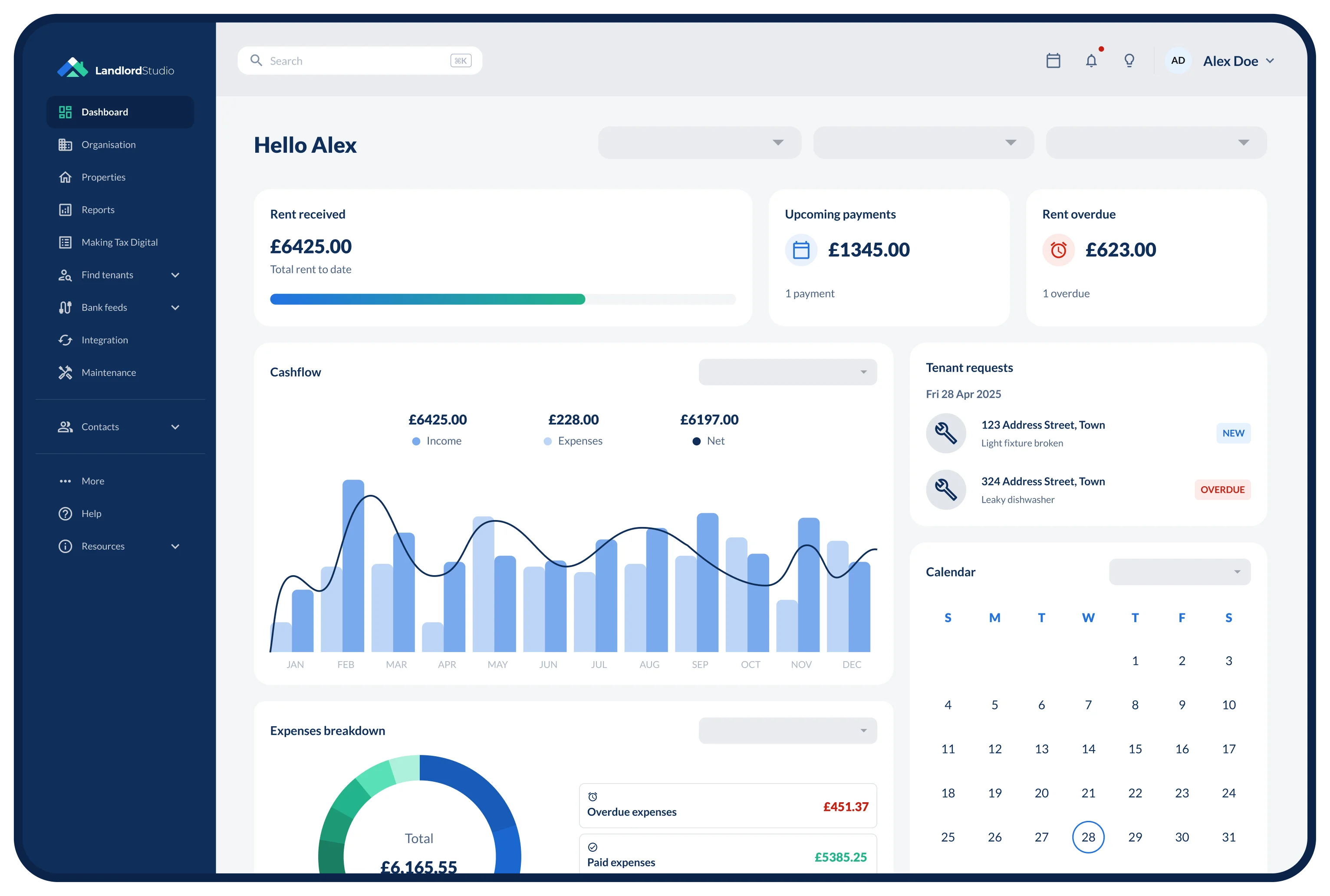
Next, we’ll show you how to use Landlord Studio to help you meet Making Tax Digital for Income Tax requirements and simplify your rental business's tax reporting.




.webp)
