
Welcome! Where would you like to log in?

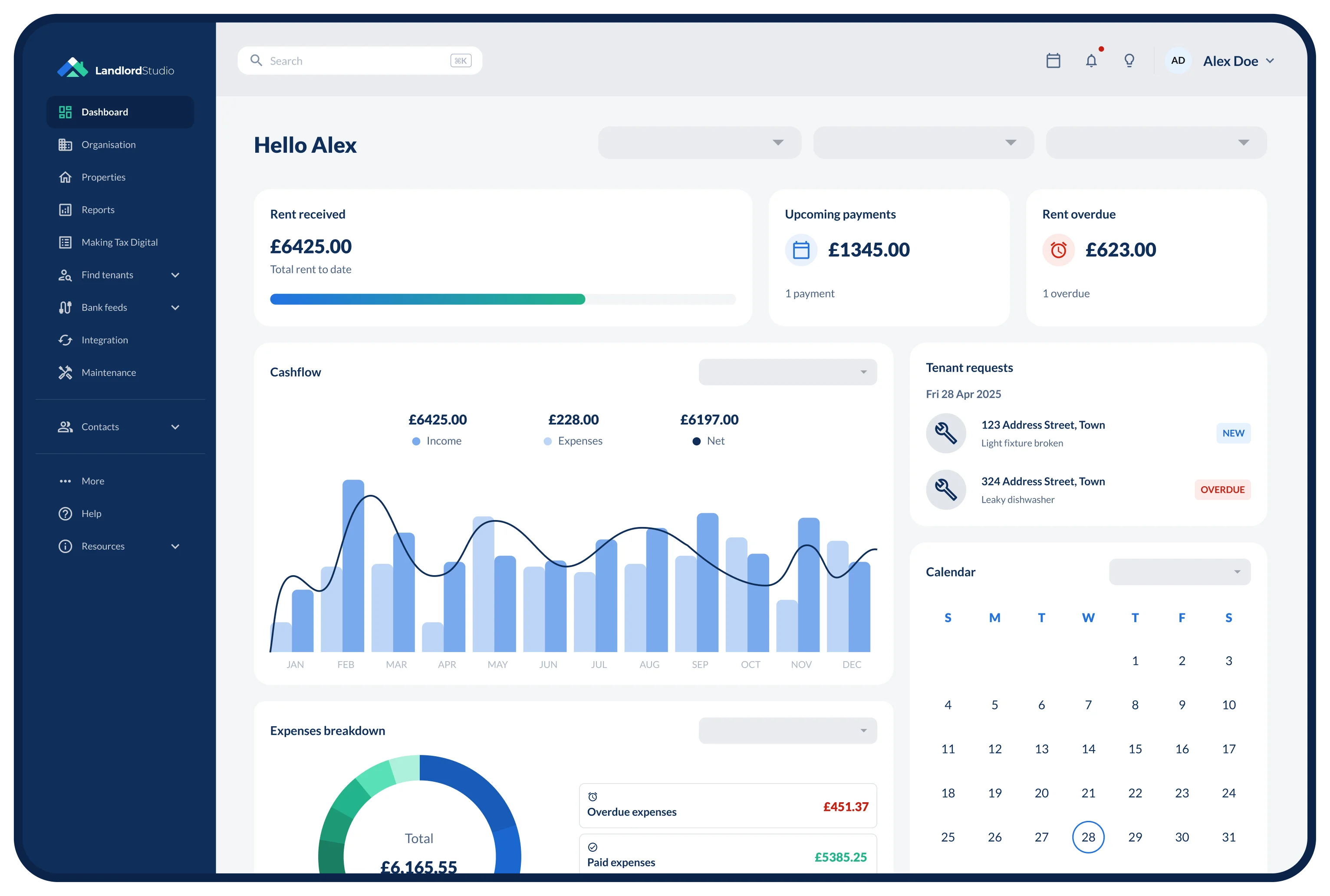
Sign up and get
PRO free for 14 days
Once your PRO trial is over you can continue using Landlord Studio GO completely free.
By continuing you agree to our Terms & Conditions.

What Making Tax Digital is really costing landlords (2026 data)
New research: MTD now costs the average UK landlord £3,311 a year and 13.1 hours a month, yet only 31% have MTD-ready software. See what the data reveals.
Written by
Landlord Studio
PUBLISHED ON
July 23, 2026
UPDATED ON
September 5, 2026
READ TIME
0 min


Read summarised version with:


Quick answer: Making Tax Digital now costs the average UK landlord around £3,311 a year and 13.1 hours a month in tax admin, according to our 2026 survey of 500 landlords and letting agents. Both figures are still rising, and most landlords feel that expense before MTD's quarterly filing rhythm has even settled in. Yet only 31% have MTD-ready software in place, which is where the real risk sits.
Landlords have never felt more prepared for Making Tax Digital. They have also never been more exposed to getting it wrong. That is the tension at the heart of our new 2026 MTD Readiness Report, and the cost data is the clearest example of it.
We commissioned the Taxing Times survey of 500 UK landlords and letting agents to find out how ready the market really is. This post pulls out what MTD is costing landlords right now, why the bill keeps climbing, and how to bring it back under control before the deadlines force the issue.
Read the full 2026 MTD Readiness Report to see every finding, including the confidence gap, the full cost breakdown, and the tech divide by portfolio size. It is free to read, with no sign-up needed.
Key takeaways
- Landlords are confident in their knowledge, yet only 31% of those surveyed use a compliant software to record their rental income.
- 89.2% of landlords surveyed say they have considered raising rents due to the cost of compliance.
- The average landlord spends 13.2 hours a month on tax admin
- 55.4% of landlords surveyed say they expect their rental profitability to rise once they have the right software in place.
How much does Making Tax Digital cost landlords?
Making Tax Digital costs the average UK landlord £3,311 a year and 13.1 hours a month, based on our 2026 survey. That is more than 163 hours a year on paperwork, before you count an accountant's fee, any penalty, or the value of your own time.
The cost is not static, either. Among the 250 landlords we surveyed, 56.4% said the cost of tax admin had risen versus a year ago, and 53.2% said the time it takes had risen too. MTD asks landlords to keep digital records and send quarterly updates to HMRC instead of filing once a year, so the workload lands more often and in smaller pieces across the year.
That cost also does not stay with the landlord. 89.2% of landlords told us that rising compliance costs could push rents up, which means MTD is quietly becoming a tenant issue as well as a landlord one.
Why does the MTD bill keep climbing?
The bill climbs because the admin compounds with every property, and because the penalties for getting it wrong are getting heavier. Each additional tenancy multiplies the records to keep and the deadlines to track, and the exposure lands hardest on larger portfolios still run on spreadsheets.
On the penalty side, late quarterly updates now attract a points-based penalty once you pass the threshold, with separate penalties for late payment on top. That sits alongside a wider rental-sector trend of broader, heavier fines, from unsafe-housing penalties to licensing breaches. MTD adds a new, more frequent layer to a compliance burden that was already growing.
The result is a group of landlords who understand the rules but have not yet changed how they work. 93.6% say they understand what MTD requires, yet 39.2% are still managing it on spreadsheets or paper, the exact method MTD was designed to replace.
Where the real risk sits: feeling ready versus being ready
The risk is not a lack of awareness. It is the gap between feeling ready and being ready. 94% of landlords feel confident about MTD, but only 31% have MTD-ready software in place, and the average score on our short MTD tax quiz was just 3 out of 10.
The people closest to the filing are the most cautious about it. Only 35.6% of landlords call themselves "very confident", and 59.2% fear making a mistake or facing a penalty. Among letting agents, who handle filing day to day, those figures rise to 50.8% and 82%. When the professionals are this wary, blanket confidence among landlords is worth a second look.
"MTD is not a box to tick. Handled well, it's the moment you finally see your portfolio clearly." Logan Ransley, Co-Founder, Landlord Studio.
How can landlords lower the cost of MTD compliance?
The most effective way to lower the cost of MTD is to move records into digital software now, then get one full quarter under your belt before any deadline forces the switch. Landlords who move early tend to describe year-end turning from a stressful event into a routine task.
There is also more support available than most landlords realise. 90% of landlords rate letting agents as well-equipped to help with MTD, and 88% say a good agent makes it easier to manage, yet 50% of landlords (and 71% of agents) say awareness of that support is low. The gap is awareness, not trust.
The investment case is already settled in landlords' own minds. 98.4% plan to invest in digital tools in the next 12 to 24 months, and 55.2% expect MTD to improve their profitability once they are set up. The top reasons they give for investing are reducing admin time (46%), avoiding errors or penalties (45%), and getting better financial visibility (44%).
Software like Landlord Studio is built to keep digital records and file quarterly MTD updates to HMRC, which is the practical route out of the spreadsheet trap the data keeps pointing to. For a step-by-step view of what MTD requires, our complete MTD hub for UK landlords walks through the rules, and our guide to choosing the right MTD software covers what to look for.
Frequently asked questions
How much does MTD cost landlords per year?
Our 2026 survey of 500 UK landlords and letting agents found the average landlord spends around £3,311 a year on tax compliance, plus 13.1 hours a month of admin time. Most landlords said both figures had risen in the past year.
Are UK landlords ready for Making Tax Digital?
Most feel ready, but far fewer are. 94% of landlords say they feel confident about MTD, yet only 31% have MTD-ready software and 39.2% still use spreadsheets or paper. You can read the full picture in our 2026 MTD Readiness Report.
What are the penalties for missing MTD deadlines?
Late quarterly MTD updates attract a points-based penalty once you pass the threshold, with separate penalties for late payment. In our survey, 59.2% of landlords and 82% of letting agents said fear of mistakes and penalties was a real concern.
Will Making Tax Digital push up rents?
It might. 89.2% of the landlords we surveyed said rising compliance costs could push rents up, so the cost of MTD is likely to reach tenants as well as landlords.
How can I reduce the time I spend on MTD?
Move your records into MTD-ready digital software and capture rent, expenses and receipts as they happen rather than reconstructing them at year-end. Landlords cite reducing admin time (46%) as their top reason for going digital.
Read the full report and see where you stand
The clearest signal in the data is that the argument about going digital is over. What is left is timing. Landlords who move before the deadline forces their hand are the ones who report lower stress, fewer errors, and finances that stay up to date.
Read the full 2026 MTD Readiness Report here. It breaks down the confidence gap, the cost of compliance, and the tech divide across portfolio sizes, so you can see exactly where you sit against 500 other landlords and letting agents. It is free to read, with no sign-up needed.
Once you have read it, if you want year-end to feel like a routine task rather than a scramble, start keeping digital records with Landlord Studio this quarter.
Figures are from the Taxing Times survey of 500 UK respondents (250 landlords and 250 letting agents), conducted by Censuswide in partnership with 393, with fieldwork between 22 and 29 May 2026. This article is general information, not financial or tax advice.
About Landlord Studio
.webp)
Landlord Studio is an easy to use MTD compliant property management and accounting software designed for UK landlords.
Track income and expenses, run reports,, find and prescreen tenants, manage property maintenance, and more.
.webp)