



.webp)
Read summarised version with:

ChatGPT

Gemini

Claude

Grok

Add as preferred on Google
Renting out a room in your house can be an excellent way to generate extra income, make use of unused space, and even enjoy some companionship. However, it's important to approach this decision with careful planning and awareness of the legal, financial, and personal implications involved.
This comprehensive guide will walk you through the necessary steps and considerations to create a smooth and successful room rental experience.
Assessing Your Space and Suitability
Before moving forward, consider whether your home is right for renting out a room:
- Space Availability: Confirm the room is adequately sized, well-ventilated, and meets safety standards.
- Privacy Considerations: Think about how sharing your living space might affect your privacy and daily routine.
- Home Modifications: Decide if any adjustments are needed to create a comfortable and private space for the tenant.
Understanding the Rent a Room Scheme
The UK government offers the Rent a Room Scheme, which allows homeowners to earn up to £7,500 per year tax-free from renting out furnished accommodation in their primary residence. If you share the income with a partner or someone else, the threshold is halved to £3,750 each. This scheme simplifies the tax process and can make renting out a room more financially attractive.
Key Points:
- Eligibility: Available to owner-occupiers and tenants with a spare furnished room.
- Opting In or Out: You can choose to join the scheme when completing your tax return. If your rental income exceeds the threshold, you'll need to decide whether to opt into the scheme or pay tax on your actual profits.
Legal Obligations and Responsibilities
Renting out a room comes with several legal responsibilities:
- Safety Regulations: Make sure the property meets safety standards, including gas safety checks, electrical safety, and the installation of smoke alarms.
- Right to Rent Checks: Confirm that the prospective tenant has the legal right to rent in the UK.
- Tenancy Agreement: While not always legally required, having a written tenancy agreement clarifies the terms of the rental and protects both parties.
Informing Your Mortgage Lender and Insurer
Before renting out a room, it's important to notify your mortgage lender and home insurance provider:
- Mortgage Lender: Many residential mortgage agreements include clauses that require you to obtain "consent to let" before renting out any part of your home. Failing to do so may breach your mortgage terms and could result in penalties or even repossession in extreme cases.
- Home Insurance Provider: Renting out a room may affect your home insurance policy. Inform your insurer to confirm you have appropriate coverage, including landlord liability insurance if needed. Not disclosing this change can invalidate your policy in the event of a claim.
Setting Rent and Managing Finances
Choosing the right rent is key:
- Market Research: Check local rental rates to set a competitive price.
- Inclusions: Decide if utilities, internet, or other services are included in the rent.
- Deposit: Consider requesting a security deposit to cover potential damages or unpaid rent.
Simplify Financial Management with Landlord Studio
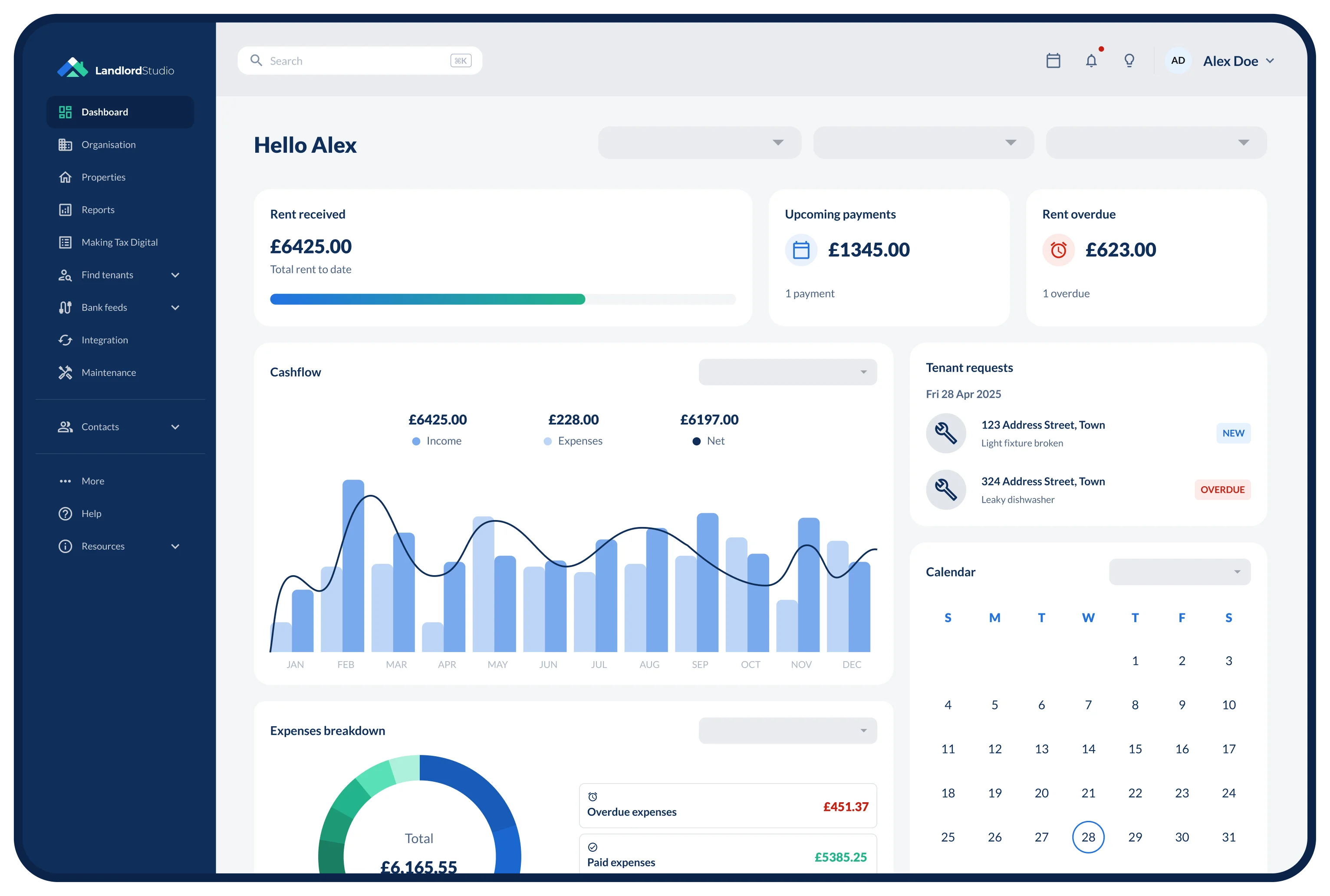
Managing rental income, expenses, and tax obligations can become overwhelming, especially if you’re renting out multiple rooms or properties. Landlord Studio makes it easy to track rent payments, handle expenses, and generate financial reports—helping you stay organised and compliant with HMRC requirements. Whether you're part of the Rent a Room Scheme or not, Landlord Studio helps you manage your rental finances with ease.
Finding the Right Tenant
Choosing the right tenant is key to creating a smooth living arrangement and protecting your property. A thorough tenant referencing process can help you avoid issues related to late rent payments, property damage, or personality clashes. Here’s how to approach it:
Where to Advertise Your Room for Rent
To attract reliable tenants, list your room for rent on reputable platforms where prospective tenants actively search. Some of the most effective platforms include:
- SpareRoom.co.uk: The UK’s leading flatshare site, offering both free and paid listings to reach a large audience of potential tenants.
- OpenRent.co.uk: A popular platform that allows landlords to advertise rooms and manage tenant applications online.
- Gumtree: While widely used, exercise caution as it can attract a broad range of applicants. Always vet responses carefully.
- Rightmove & Zoopla: These property portals are commonly used for full property rentals but also offer room rental listings.
- Facebook Marketplace & Groups: Local community groups can be effective, but due diligence is essential as the platform isn’t strictly moderated for rentals.
Related: 5 Free Rental Listing Sites Every Landlord Needs to Know About
How to Vet Potential Tenants
Once applications start coming in, it’s time to screen potential tenants thoroughly to make sure they’re a good fit. Here’s what to do:
- Pre-Screening Questions:
- Why are they looking for a room to rent?
- How long do they plan to stay?
- Do they have stable employment or income?
- Do they smoke or have pets? (if this is relevant to your property rules)
- Reference Checks:
- Employer Reference: To confirm job stability and income level.
- Previous Landlord Reference: To assess if they were a responsible tenant, paid rent on time, and maintained the property well.
- Credit Checks:
Use platforms like:- Experian’s Rentcheck or Equifax Tenant Screening for credit reports.
- OpenRent’s Referencing Service to get comprehensive background checks, including credit history, affordability, and rental history.
- Proof of Income:
Request recent payslips, bank statements, or employment contracts to verify they can afford the rent comfortably.
.jpg)
Green Flags in a Potential Tenant
- Stable Employment: Long-term employment with consistent income.
- Positive References: Good feedback from previous landlords regarding payment history and property care.
- Clear Communication: Responds promptly, politely, and provides requested documents without hesitation.
- Financial Responsibility: A good credit score and no history of rent arrears.
Red Flags to Watch Out For
- Reluctance to Provide References: Hesitation or refusal to share employment or landlord references.
- Inconsistent Income: Gaps in employment or unreliable income sources without a clear explanation.
- Eviction History: Past evictions or disputes with landlords can be a warning sign.
- Urgency Without Reason: Tenants who are desperate to move in immediately without proper vetting or background checks.
- Unstable Communication: Difficulty reaching them, evasive answers, or inconsistent stories during the vetting process.
Taking the time to properly vet tenants reduces the risk of issues and creates a more stable landlord-tenant relationship.
Preparing the Room and Shared Spaces
Create a welcoming environment for your tenant:
- Cleanliness: Make sure the room and shared areas are clean and well-maintained.
- Furnishings: Provide essential furniture and consider adding amenities to improve comfort.
- Privacy: Respect the tenant's privacy and set boundaries for shared spaces.
Managing the Tenancy
Good management leads to a smooth rental experience:
- Communication: Maintain open and respectful communication with your tenant.
- House Rules: Set clear rules regarding guests, noise levels, and shared responsibilities.
- Maintenance: Address repair and maintenance issues promptly to keep the property in good condition.
Setting a Suitable Rent
Choosing how much to charge for your room rental is key to attracting quality tenants while ensuring you receive a fair return. Setting the rent too high may deter potential renters, while setting it too low could result in missed income opportunities. Here’s how to strike the right balance:
Factors to Consider When Setting Rent
- Local Market Research:
- Check platforms like SpareRoom, Rightmove, and Zoopla to see what similar rooms in your area are renting for.
- Compare properties based on location, room size, amenities, and whether bills are included.
- Property Features:
Consider the value of additional features:- En-suite Bathroom: Rooms with private bathrooms can often command higher rent.
- Furnished vs. Unfurnished: Furnished rooms tend to attract higher rents.
- Utilities Included: If you include bills (electricity, water, internet, etc.), factor these costs into the rent.
- Location Matters:
- Urban vs. Rural: Rooms in cities like London, Manchester, or Birmingham often command higher rents due to demand.
- Proximity to Transport Links: Close access to public transport can justify higher rent, especially in commuter areas.
- Seasonal Demand:
- Rental demand can fluctuate seasonally. For example, university towns often see higher demand at the start of academic terms.
- Legal Considerations:
- Make sure your rent is competitive but also compliant with local regulations if rent caps or licensing schemes apply in your area.
Using Landlord Studio to Track Income
Once your rent is set and tenants move in, managing payments effectively is crucial. Landlord Studio helps you:
- Quickly log rental income on the go and track late payments.
- Set automated reminder emails and to reduce late payments.
- Set personal reminders for rent reviews and lease renewals.
- Generate financial reports for tax purposes, making end-of-year accounting a breeze.
Final Thoughts on Renting Out a Room in Your House
Renting out a room in your house can be a rewarding way to generate extra income, meet new people, and make better use of your living space. However, managing tenants, rent payments, and tax obligations can be challenging without the right tools.
That’s where Landlord Studio comes in. Whether you’re managing a single room rental or a portfolio of properties, Landlord Studio helps you stay on top of your responsibilities. With features like:
- Streamline your income and expense tracking
- Automate rent reminders and receipts to reduce late payments
- Scan receipts at the point of sale
- Connect your bank accounts for faster, more accurate bookkeeping
- Instantly generate customisable financial reports for tax purposes
…you’ll stay organised, save time, and make sure you’re always compliant with legal and tax requirements.

Create your free Landlord Studio account today and take the hassle out of managing your rental income. With the right preparation and tools, renting out a room can be a stress-free and profitable venture.
You Might Also Like
- The 5 Best Landlord Software for UK Property Investors
- Top Allowable Expenses For Landlords: Property Investors Guide
- Completing A Landlord Tax Return: The Definitive Guide
- DWP and DSS tenants – A Landlords Guide to Housing Benefits
Renting Out a Room in Your House FAQs
Do I need a license to rent out a room in my house?
Generally, renting out a single room in your home doesn't require a license. However, if your property is classified as a House in Multiple Occupation (HMO), different rules may apply. It's advisable to check with your local council for specific regulations.
How does the Rent a Room Scheme affect my taxes?
The Rent a Room Scheme allows you to earn up to £7,500 per year tax-free from renting out a furnished room in your home. If your income exceeds this threshold, you'll need to report it on your Self Assessment tax return. For detailed information, refer to HMRC's guidelines.
Can I rent out a room if I have a mortgage?
Yes, but it's important to inform your mortgage lender, as renting out a room may violate the terms of your mortgage agreement. Obtain written consent from your lender before proceeding.
Should I inform my insurance company if I rent out a room?
Absolutely. Failing to notify your insurer could invalidate your home insurance policy. Inform them about the rental arrangement to confirm you have adequate coverage, including potential landlord liability insurance.
What should be included in a tenancy agreement?
A tenancy agreement should outline the terms of the rental, including rent amount, payment schedule, deposit details, duration of the tenancy, house rules, and notice periods for termination. The National Residential Landlords Association (NRLA) offers free resources to help create comprehensive tenancy agreements.
How can I confirm the safety of my tenant?
Make sure that your property meets safety regulations, including conducting gas and electrical safety checks, installing smoke alarms, and addressing any potential hazards promptly. Read the Landlord Responsibilities and Legal Obligations: The Checklist to learn more.